
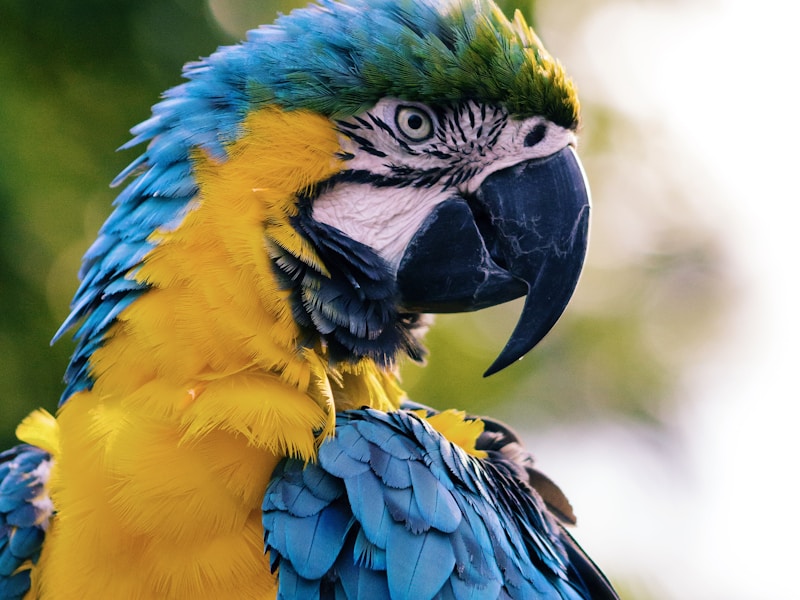
Pet birds are natural chewers, and their curiosity puts them at significant risk for heavy metal poisoning. Lead and zinc are the most common culprits, though copper toxicity also occurs. Metal fragments accumulate in the gastrointestinal tract and leach into the bloodstream, causing progressive neurological, gastrointestinal, and renal damage that can be fatal without treatment.
Common sources of lead
Stained glass, lead-based paint in older homes, curtain weights, fishing sinkers, lead solder on antique cages, some costume jewelry, and foil from wine bottles all contain lead. Even small amounts chewed off over time can produce chronic toxicity. Lead pencils are actually graphite and are not a significant source.
Common sources of zinc
Galvanized wire, including cage wire and hardware cloth, is coated with zinc. Pennies minted after 1982 (in the US) have a zinc core. Quick-link connectors, padlocks, keys, zippers, and some toy components also contain zinc. New galvanized cages are highest risk; zinc levels decrease after weathering.
Symptoms
Gastrointestinal signs include vomiting or regurgitation, dark droppings, weight loss, and decreased appetite. Neurological signs such as tremors, head tilt, seizures, weakness, and blindness indicate advancing toxicity. Polyuria (excessive urine) and lethargy are common. Birds may appear chronically unwell with vague symptoms before an acute crisis develops.
Diagnosis and treatment
Radiographs may reveal metallic densities in the crop, ventriculus (gizzard), or intestines. Blood lead or zinc levels confirm the diagnosis. Treatment includes chelation therapy, typically with calcium EDTA or D-penicillamine, which binds the metal for excretion. Endoscopic or surgical removal of visible metal fragments from the gastrointestinal tract may be necessary. Supportive care with fluids, anti-seizure medication, and nutritional support accompanies chelation.
Prevention
Choose stainless steel or powder-coated cages and hardware. Scrub new galvanized items with vinegar and rinse thoroughly, or avoid them entirely. Bird-proof rooms by removing accessible metal objects, checking light fixtures, and securing jewelry. Inspect toys regularly for exposed metal parts. If your home has lead paint, prevent your bird from accessing painted surfaces and consult a professional about remediation.
Veterinary disclaimer: This article is for general education only and does not replace an examination by a licensed avian veterinarian. If you suspect heavy metal ingestion, seek veterinary care promptly.