
Angelfish
The Elegant Cichlid
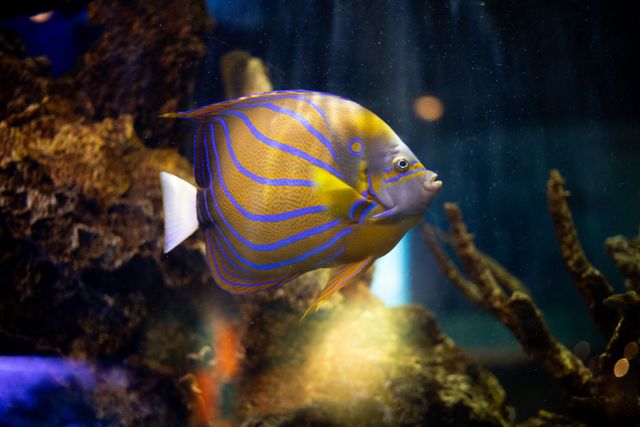
Angelfish are stunning freshwater fish known for their distinctive triangular shape and long, flowing fins. Despite their graceful appearance, they are cichlids with personality that can become true pets in your aquarium.
Why Angelfish Are Perfect for First-Time Owners
Majestic Appearance
Their distinctive triangular shape and flowing fins create a commanding presence. Available in silver, gold, marble, koi, and many other color varieties.
Surprisingly Intelligent
Angelfish recognize their owners and will often greet you at feeding time. They're one of the most interactive freshwater fish species.
Form Bonds
Angelfish can form lasting pair bonds and even spawn in home aquariums. Watching their breeding behavior is fascinating and educational.
Graceful Swimmers
Despite their size, Angelfish move with remarkable elegance. Their slow, deliberate movements are mesmerizing to watch.
Pros
- Beautiful and majestic appearance with many color varieties available
- Recognize their owners and can become quite interactive pets
- Long lifespan of 10+ years with proper care
- Form interesting social structures and pair bonds
- Relatively easy to breed in home aquariums
Cons
- Can be aggressive toward smaller fish they view as food
- Require tall tanks due to their body shape and long fins
- Grow quite large and need significant swimming space
- Can become territorial during breeding
- Not suitable for tanks with very small fish like neon tetras
Care Requirements
What you need to know to keep your Angelfish healthy and happy

Exercise
20 minutes daily
Angelfish need tall tanks (minimum 20 gallons high, 30+ for adults) due to their body shape. They prefer vertical swimming space with broad-leaved plants and driftwood for cover. Keep in groups of 4-6 when young.

Grooming
Weekly partial water changes
Perform 25-30% water changes weekly. Angelfish are sensitive to water quality, so test parameters regularly. Keep ammonia and nitrite at zero, nitrate under 20ppm. Use gentle vacuuming around decorations.

Nutrition
Feed high-quality cichlid pellets or flakes 2-3 times daily. Supplement with frozen bloodworms, brine shrimp, and vegetables like blanched spinach. Feed only what they can consume in 2-3 minutes.
Training Timeline
Acclimation Period
Float the sealed bag in tank for 15-20 minutes to equalize temperature. Add small amounts of tank water every 10 minutes for 45 minutes. Release gently and keep lights off for 24 hours.
Establishing Routine
Begin feeding schedule at same times daily. Your Angelfish will learn to recognize you. Watch for healthy appetite and active swimming. Provide tall plants for security.
Growth & Development
Young Angelfish grow rapidly. Monitor for fin development and color changes. They may begin establishing territories. Ensure adequate tank space for all fish.
Adult Behavior
Your Angelfish are approaching maturity. Watch for pairing behavior and possible spawning. Maintain excellent water quality. Consider separating breeding pairs if they become aggressive.
Health Information
Common health concerns and prevention tips for Angelfish
Common Health Issues
- Ich (white spot disease) - parasitic infection common when stressed or during temperature changes
- Hole in the head disease - causes pits in the head area, linked to poor water quality and nutrition
- Fin rot - bacterial or fungal infection from poor water quality or injuries
- Swim bladder issues - causes floating problems from overfeeding or injury
- Stress-related illness - from aggressive tankmates or improper tank conditions
Prevention Tips
- Provide tall tanks with adequate vertical swimming space
- Maintain stable water temperature between 76-82F
- Avoid keeping with very small fish that Angelfish may eat
- Perform regular water changes to keep nitrates under 20ppm
- Feed a varied diet including vegetables to prevent nutritional deficiencies
Ready to Add Angelfish to Your Aquarium?
We've got everything you need to prepare for your new Angelfish
Find Angelfish Near You