
Betta Fish
The Beautiful Solo Swimmer
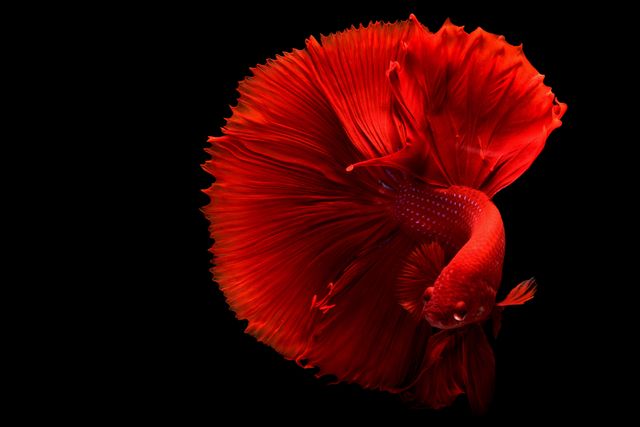
Betta fish are stunningly beautiful freshwater fish known for their vibrant colors and flowing fins. Despite their small size, they have big personalities and make excellent pets for first-time fish keepers willing to learn their specific care requirements.
Why Betta Fish Are Perfect for First-Time Owners
Stunning Beauty
Available in vibrant colors like red, blue, purple, and more. Their flowing fins create mesmerizing displays as they swim.
Surprisingly Intelligent
Bettas can recognize their owners and learn simple tricks. They're interactive fish that respond to movement outside their tank.
Small Space Friendly
A single Betta can thrive in a 5-gallon tank, making them ideal for apartments and small spaces. No massive aquarium needed.
Hardy & Resilient
Bettas are labyrinth fish that breathe atmospheric air, making them more tolerant of less-than-ideal water conditions than other species.
Pros
- Incredibly beautiful with flowing fins in vibrant colors
- Recognize their owners and can be trained to do simple tricks
- Small space requirements - perfect for apartments and dorm rooms
- Relatively hardy and forgiving of beginner mistakes
- Interactive personality - they respond to movement and presence
Cons
- Must be kept alone - males will fight to the death if housed together
- Require warm water (78-82F) with a reliable heater
- Prone to fin rot and other bacterial infections if water quality is poor
- Cannot be kept with other fish with flowing fins (they see them as rivals)
- Need access to surface air - tank depth and lid require careful consideration
Care Requirements
What you need to know to keep your Betta Fish healthy and happy

Exercise
30 minutes daily
Bettas enjoy swimming through plants and exploring their environment. Provide enrichment with floating plants, caves, and gentle water flow. They appreciate a 5+ gallon tank with horizontal swimming space.

Grooming
Weekly partial water changes
Perform 25-30% water changes weekly. Test water parameters regularly (ammonia 0, nitrite 0, nitrate under 40ppm). Clean the substrate during water changes but avoid deep cleaning to preserve beneficial bacteria.

Nutrition
Feed high-quality betta pellets 2-3 times daily, only what they can eat in 2 minutes. Supplement with frozen or live foods like bloodworms and brine shrimp once weekly. Avoid overfeeding as it pollutes water quickly.
Training Timeline
Acclimation Period
Float the sealed bag in tank for 15-20 minutes to equalize temperature. Gradually add small amounts of tank water to the bag over 30-60 minutes. Release fish gently and leave lights off for the rest of the day.
Establishing Routine
Begin feeding schedule at same times daily. Start getting your Betta used to your presence near the tank. Avoid tapping on glass. Observe swimming patterns and appetite.
Trust Building
Begin hand-feeding training using pellets on tweezers. Create simple enrichment like moving decorations. Your Betta should now recognize you and respond to your approach.
Advanced Interaction
Teach tricks like following your finger or swimming through a hoop. Add new tank decorations to prevent boredom. Maintain consistent water quality and feeding schedule.
Health Information
Common health concerns and prevention tips for Betta Fish
Common Health Issues
- Fin rot - bacterial or fungal infection causing ragged, deteriorating fins
- Swim bladder disease - causes floating issues and difficulty swimming
- Ich (white spot disease) - parasitic infection with white spots on body
- Popeye - fluid buildup behind the eye causing protrusion
- Velvet disease - parasitic infection creating golden dust appearance
Prevention Tips
- Maintain stable water temperature between 78-82F with a reliable heater
- Perform regular water changes to keep ammonia and nitrite at zero
- Use a water conditioner to remove chlorine and chloramine from tap water
- Quarantine new plants and fish for 2 weeks before adding to main tank
- Avoid sharp decorations that can tear delicate fins
Ready to Welcome a Betta Fish?
We've got everything you need to prepare for your new Betta Fish
Find Betta Fish Near You