
Molly
The Adaptable Livebearer
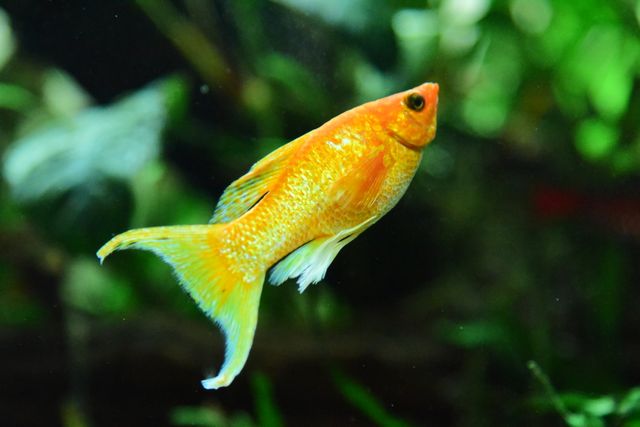
Mollies are peaceful, attractive livebearer fish that come in various colors including black, white, gold, and dalmatian-spotted. They are hardy, active swimmers that adapt well to different water conditions.
Why Mollies Are Perfect for First-Time Owners
Very Adaptable
Mollies tolerate a wide range of water conditions and can even adapt to brackish water. They're forgiving of beginner mistakes and water parameter fluctuations.
Beautiful Varieties
Available in black, white, gold, silver, dalmatian, balloon, and sailfin varieties. Each type has unique colors and fin shapes to suit any preference.
Active Swimmers
These energetic fish are constantly exploring all levels of the tank. Their playful behavior adds life and movement to any aquarium.
Easy to Breed
Like guppies, Mollies are livebearers that readily reproduce in home aquariums. Watching the fry grow is educational and rewarding.
Pros
- Highly adaptable to various water conditions and environments
- Available in many beautiful colors and body shapes
- Active swimmers that constantly explore their environment
- Peaceful community fish that get along with most tankmates
- Easy to breed - give birth to live young every 4-6 weeks
Cons
- Require some salt in water for optimal health (1 tablespoon per 5 gallons)
- Need warmer temperatures (75-82F) compared to some fish
- Can be prone to shimmies and swim bladder issues from poor water quality
- Males may harass females - keep 2-3 females per male
- Some varieties like sailfins grow larger and need more space
Care Requirements
What you need to know to keep your Molly healthy and happy

Exercise
15 minutes daily
Mollies are active swimmers that enjoy all tank levels. A 20-gallon tank is ideal for 4-5 mollies. Provide open swimming areas with some plants and decorations. They appreciate gentle water flow.

Grooming
Weekly partial water changes
Perform 25-30% water changes weekly. Mollies are sensitive to nitrate, so keep it under 20ppm. Consider adding aquarium salt (1 tablespoon per 5 gallons) for optimal health. Vacuum substrate regularly.

Nutrition
Feed high-quality tropical flakes or pellets 2-3 times daily. Only what they consume in 2 minutes. Supplement with blanched vegetables (zucchini, spinach) and frozen foods weekly. Include algae-based foods.
Training Timeline
Acclimation Period
Float the sealed bag in tank for 15 minutes to equalize temperature. Add small amounts of tank water every 10 minutes for 30-45 minutes. Release gently and keep lights off for the first day.
Settling In
Feed small amounts 2-3 times daily. Your mollies will begin exploring all tank levels. Watch for active swimming and healthy appetite. They may initially stay near the surface.
Established Behavior
Your mollies should be actively swimming throughout the tank. Maintain consistent feeding schedule. Watch for male-female interactions and possible breeding behavior.
Breeding & Growth
Females may give birth to 20-100 fry every 4-6 weeks. Consider separating pregnant females or provide dense plant cover. Monitor tank population to prevent overcrowding.
Health Information
Common health concerns and prevention tips for Molly
Common Health Issues
- Ich (white spot disease) - parasitic infection common with temperature changes
- Shimmies - swimming in place from stress, cold water, or poor water quality
- Fin rot - bacterial or fungal infection causing ragged fins
- Swim bladder disease - buoyancy issues from overfeeding or improper diet
- Velvet disease - parasitic infection creating golden dust appearance on body
Prevention Tips
- Maintain stable water temperature between 75-82F
- Consider adding aquarium salt (1 tablespoon per 5 gallons) for health
- Keep nitrates under 20ppm with regular water changes
- Provide a varied diet including plant matter and algae
- Avoid sudden water parameter changes that can cause stress
Ready to Add Mollies to Your Aquarium?
We've got everything you need to prepare for your new Molly
Find Mollies Near You