
Neon Tetra
The Shimmering School Fish
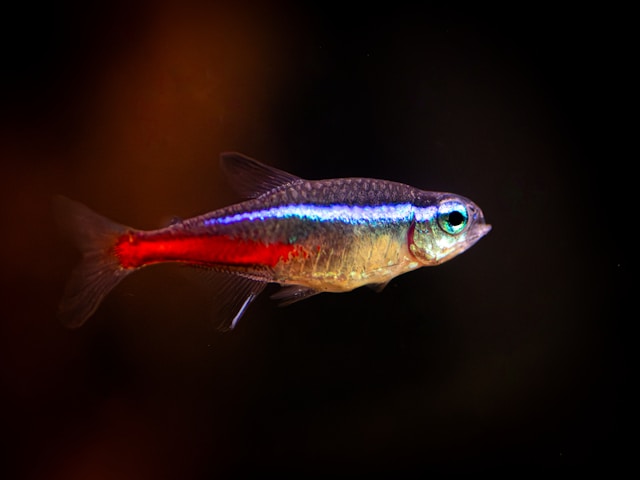
Neon Tetras are small, brilliantly colored freshwater fish known for the iridescent blue stripe running along their body and bright red tail. They are peaceful, schooling fish that create stunning displays when kept in groups.
Why Neon Tetras Are Perfect for First-Time Owners
Brilliant Colors
Their iconic neon blue stripe and vibrant red tail create stunning visual displays, especially when schooling under aquarium lighting.
Peaceful Community
Neon Tetras are incredibly peaceful and get along with virtually all non-aggressive fish. Perfect for community tanks.
Active Swimmers
These energetic fish are constantly on the move, creating dynamic displays as they dart around the middle of the aquarium.
Beginner Friendly
Once established in a properly cycled tank, Neon Tetras are relatively hardy and forgiving of minor water parameter fluctuations.
Pros
- Stunning iridescent colors that glow under aquarium lighting
- Peaceful nature makes them perfect for community tanks
- Active swimmers that provide constant visual interest
- Small size allows you to keep a group in modest tanks
- Inexpensive and readily available at most pet stores
Cons
- Must be kept in groups of at least 6 to feel secure
- Sensitive to water quality during cycling - add only after tank is established
- Can be intimidated by larger or aggressive tankmates
- Prone to neon tetra disease, a difficult-to-treat condition
- Require stable, slightly acidic water conditions to thrive
Care Requirements
What you need to know to keep your Neon Tetra healthy and happy

Exercise
15 minutes daily
Neon Tetras are active swimmers that need horizontal space to school. A 10-gallon tank can accommodate 6-8 fish. They prefer open swimming areas in the middle of the tank with some plants for security.

Grooming
Weekly partial water changes
Perform 25% water changes weekly. Neon Tetras are sensitive to water quality, so test parameters regularly. Keep ammonia and nitrite at zero, nitrate under 20ppm. Use gentle vacuuming to avoid disturbing them.

Nutrition
Feed high-quality micro pellets or tropical flakes 2-3 times daily. Only what they can eat in 1-2 minutes. Supplement with frozen foods like brine shrimp and daphnia weekly. Variety promotes health and color.
Training Timeline
Acclimation Period
Float the sealed bag in tank for 15 minutes to equalize temperature. Add small amounts of tank water every 10 minutes for 30-45 minutes. Release gently and keep lights off for the rest of the day.
Settling In
Feed sparingly to avoid water quality issues. Your tetras may hide initially - this is normal. Provide floating plants and dim lighting to help them feel secure.
Schooling Behavior
Your Neon Tetras should now be schooling together confidently. Feed at regular times to create routine. Watch for vibrant colors indicating good health.
Established Community
Your tetras are fully acclimated. Maintain consistent feeding schedule and water quality. Consider adding more tetras to strengthen the school's natural behavior.
Health Information
Common health concerns and prevention tips for Neon Tetra
Common Health Issues
- Neon tetra disease - parasitic infection causing loss of color, curved spine, and difficulty swimming
- Ich (white spot) - parasitic infection with white spots, treatable if caught early
- Fin rot - bacterial infection causing ragged fins from poor water quality
- Swim bladder issues - from overfeeding or improper food size
- Stress-related illness - from improper schooling numbers or aggressive tankmates
Prevention Tips
- Always keep at least 6 Neon Tetras together - they need a school to feel secure
- Quarantine new fish for 2 weeks before adding to your main tank
- Avoid keeping with large or aggressive fish that may eat or bully them
- Maintain stable water parameters - sudden changes can be fatal
- Feed appropriately sized food - large pellets can cause digestive issues
Ready to Add Neon Tetras to Your Aquarium?
We've got everything you need to prepare for your new Neon Tetra
Find Neon Tetras Near You