
Platy
The Colorful Community Fish
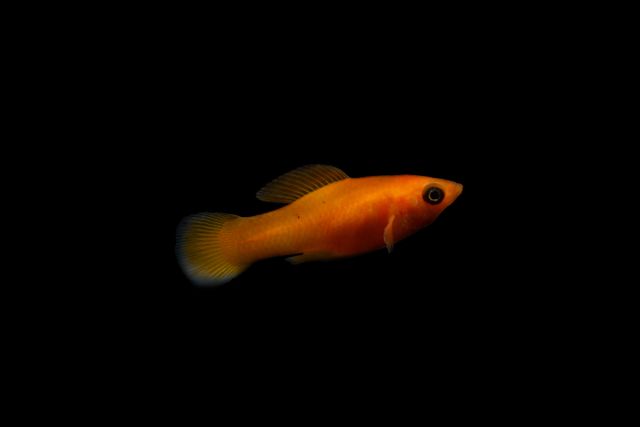
Platies are small, peaceful livebearer fish known for their bright colors and active personalities. Available in red, orange, yellow, blue, and many other color varieties, they are perfect for community tanks.
Why Platies Are Perfect for First-Time Owners
Vibrant Colors
Platies come in brilliant colors including red, orange, yellow, blue, and wagtail patterns. Their bright colors add life to any aquarium setup.
Very Hardy
Platies are among the most forgiving fish for beginners. They tolerate a wide range of water conditions and are resilient to minor mistakes.
Peaceful Community
These gentle fish get along with virtually all non-aggressive species. They're perfect for peaceful community tanks with other small fish.
Always Active
Platies are constant swimmers that explore all levels of the tank. Their playful behavior provides endless entertainment and visual interest.
Pros
- Beautiful bright colors in many varieties and patterns
- Extremely hardy and forgiving of beginner mistakes
- Peaceful temperament perfect for community tanks
- Active swimmers that are fun to watch
- Easy to breed - give birth to live young regularly
Cons
- Reproduce frequently and can quickly overpopulate a tank
- Males may constantly chase females - keep 2-3 females per male
- Shorter lifespan compared to some other aquarium fish
- Can be nippy toward long-finned tankmates occasionally
- Need vegetable matter in their diet for optimal health
Care Requirements
What you need to know to keep your Platy healthy and happy

Exercise
15 minutes daily
Platies are active swimmers that enjoy all tank levels. A 10-gallon tank can house 4-5 platies. Provide open swimming areas with plants and decorations. They appreciate gentle water flow from the filter.

Grooming
Weekly partial water changes
Perform 25% water changes weekly. Test water parameters regularly - platies are sensitive to nitrate. Keep ammonia and nitrite at zero, nitrate under 30ppm. Vacuum substrate gently during water changes.

Nutrition
Feed high-quality tropical flakes or small pellets 2-3 times daily. Only what they consume in 1-2 minutes. Supplement with blanched vegetables (zucchini, spinach) and frozen foods weekly.
Training Timeline
Acclimation Period
Float the sealed bag in tank for 15 minutes to equalize temperature. Add small amounts of tank water every 10 minutes for 30-45 minutes. Release gently and keep lights off for the first day.
Settling In
Feed small amounts 2-3 times daily. Your platies will quickly become active throughout the tank. Watch for healthy appetite and schooling behavior. They settle in quickly.
Established Behavior
Your platies should be confidently swimming all levels. Maintain consistent feeding schedule. Males may begin displaying to females. Colors should be vibrant.
Breeding Watch
Females may give birth to 20-50 fry every 4-6 weeks. Provide dense plant cover for fry survival or consider separating pregnant females. Monitor tank population.
Health Information
Common health concerns and prevention tips for Platy
Common Health Issues
- Ich (white spot disease) - parasitic infection common with temperature fluctuations
- Fin rot - bacterial or fungal infection causing ragged fins from poor water quality
- Swim bladder disease - buoyancy issues from overfeeding or improper diet
- Velvet disease - parasitic infection creating rust-colored dust appearance
- Stress-related illness - from aggressive tankmates or overcrowding
Prevention Tips
- Maintain stable water temperature between 70-77F
- Keep 2-3 females for every male to reduce harassment
- Perform regular water changes to maintain water quality
- Provide hiding places with plants and decorations
- Avoid overfeeding - platies will eat until they're overfull
Ready to Add Platies to Your Aquarium?
We've got everything you need to prepare for your new Platy
Find Platies Near You