
African Fat-Tailed Gecko
The Gentle Ground-Dwelling Gecko
African fat-tailed geckos are close relatives of leopard geckos, originating from West Africa. Named for their distinctive fat tails which store energy, these ground-dwelling geckos are known for their calm demeanor and unique moving eyelids.
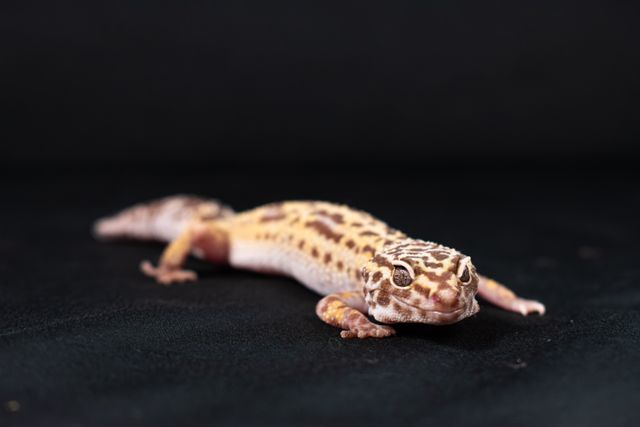
Why African Fat-Tailed Geckos Are Perfect for First-Time Reptile Owners
Gentle Nature
Extremely docile and slow-moving. They rarely bite and tolerate handling well, making them excellent pets for families with children.
Crepuscular Activity
Most active at dawn and dusk, aligning partially with human schedules. They rest during the day and become active in evening hours.
Low Maintenance
Simple care requirements compared to many reptiles. No special lighting needed if supplemented with vitamin D3 in their diet.
Unique Feature
Their fat tail serves as an energy reserve, indicating good health. A plump tail means your gecko is well-fed and content.
Pros
- Very docile and easy to handle even for beginners
- Simple habitat requirements without expensive UVB lighting
- Long lifespan of 15-20 years with proper care
- Hardy reptiles that adapt well to captive conditions
- Unique appearance with beautiful banded patterns
Cons
- Require live insects as part of their diet
- Need temperature gradient in enclosure
- Can be shy and hide frequently, especially when new
- Regular calcium and vitamin supplementation required
- May go off food during shedding periods
Care Requirements
What you need to know to keep your African Fat-Tailed Gecko healthy and happy

Exercise
15 minutes daily
African fat-tailed geckos are ground-dwelling but benefit from floor space to explore. Provide hides and climbing opportunities. Handle 10-15 minutes, 2-3 times per week once acclimated. More active during evening hours.

Grooming
Daily spot clean, monthly deep clean
Spot clean waste daily. Replace substrate monthly. Provide a moist hide during shedding to assist with skin removal. Maintain moderate humidity (40-60%). Bath not typically required.

Nutrition
Feed appropriately sized insects (crickets, mealworms, dubia roaches) every other day for adults, daily for juveniles. Dust insects with calcium and vitamin D3 supplement 2-3 times weekly. Tail condition indicates feeding adequacy.
Training Timeline
Acclimation Period
Allow 2-3 weeks for your gecko to settle without handling. Set up proper temperature gradient (88-92F warm end, 75-80F cool end). Offer small insects frequently.
Initial Handling
Begin very short handling sessions of 3-5 minutes. Support the entire body and allow gecko to crawl onto your hand. Feed from tongs to build trust.
Bonding Development
Increase handling time gradually to 10-15 minutes. Allow gecko to explore hands and arms at its own pace. Never grab from above; approach from below.
Established Routine
Your gecko should be comfortable with regular handling. Maintain consistent feeding schedule and monitor tail health as an indicator of overall condition.
Health Information
Common health concerns and prevention tips for African Fat-Tailed Gecko
Common Health Issues
- Metabolic bone disease from calcium deficiency
- Impaction from loose substrate or oversized prey
- Shedding difficulties due to low humidity
- Tail loss from stress or improper handling
Prevention Tips
- Always dust insects with calcium and D3 supplement
- Use appropriate substrate like paper towels for juveniles
- Provide a moist hide during shedding periods
- Maintain proper temperature gradient in enclosure
- Handle gently and never grab by the tail
Ready to Meet Your African Fat-Tailed Gecko?
We've got everything you need to prepare for your new African Fat-Tailed Gecko
Find African Fat-Tailed Geckos Near You