
Bearded Dragon
The Friendly Pet Lizard
Bearded dragons are among the most popular reptile pets for good reason. Their docile nature, manageable size, and interactive personalities make them excellent choices for first-time reptile owners.
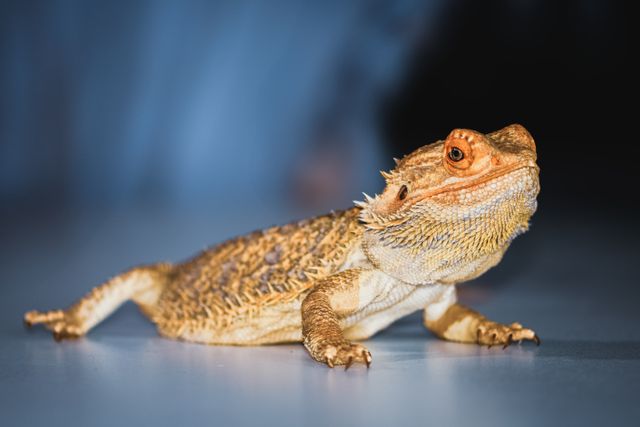
Why Bearded Dragons Are Perfect for First-Time Reptile Owners
Gentle Temperament
Known for their calm and friendly nature. They rarely bite and enjoy being handled, making them perfect for interaction.
Diurnal Activity
Active during the day like humans, meaning you can observe and interact with them during normal waking hours.
Manageable Size
Growing to 16-24 inches, they are large enough to handle easily but not so large that they require enormous enclosures.
Omnivorous Diet
Eat both insects and vegetables, making feeding varied and interesting. They are generally not picky eaters.
Pros
- Very docile and enjoy regular handling by their owners
- Active during the day for easy observation and interaction
- Generally healthy with proper care and habitat setup
- Omnivorous diet offers variety and feeding flexibility
- Recognize their owners and often show affection
Cons
- Require specific UVB lighting and temperature gradients
- Need large enclosures (40+ gallons for adults)
- Regular feeding of live insects required
- Can be expensive to set up properly with lighting and heating
- Produce considerable waste requiring regular cleaning
Care Requirements
What you need to know to keep your Bearded Dragon healthy and happy

Exercise
30 minutes daily
Bearded dragons need daily handling time outside their enclosure for exercise and mental stimulation. Provide 8-12 hours of UVB exposure daily. They enjoy exploring supervised areas and climbing on branches.

Grooming
Daily spot clean, monthly deep clean
Spot clean waste daily. Replace substrate monthly. They shed regularly; provide a moist hide during shedding to help the process. Bath in shallow warm water weekly to aid hydration and shedding.

Nutrition
Feed juveniles 2-3 times daily, adults once daily. Diet should be 50% insects (crickets, dubia roaches) and 50% vegetables (collard greens, mustard greens, squash). Dust insects with calcium supplement 3-4 times weekly.
Training Timeline
Hatchling Adjustment
Allow your dragon to settle in without handling for the first week. Set up proper temperature gradients and UVB lighting. Offer small insects frequently.
Handling Introduction
Begin short handling sessions of 5-10 minutes daily. Introduce variety in vegetables to establish good eating habits. Monitor growth closely.
Sub-Adult Development
Increase handling time as the dragon becomes comfortable. Transition toward adult diet ratios. Upgrade to larger enclosure if needed.
Adult Care
Establish daily routine of feeding and interaction. Monitor weight and health. Provide regular veterinary checkups with a reptile specialist.
Health Information
Common health concerns and prevention tips for Bearded Dragon
Common Health Issues
- Metabolic bone disease from insufficient UVB or calcium
- Impaction from loose substrate or inappropriate prey size
- Respiratory infections from incorrect humidity or temperature
- Dehydration - indicated by wrinkled skin and lethargy
Prevention Tips
- Replace UVB bulbs every 6-12 months even if they still emit light
- Maintain proper temperature gradient (95-105F basking spot)
- Use appropriate substrate and avoid loose particles for juveniles
- Provide fresh water daily and regular baths
- Schedule annual checkups with an exotic veterinarian
Ready to Meet Your Bearded Dragon?
We've got everything you need to prepare for your new Bearded Dragon
Find Bearded Dragons Near You