
Blue-Tongued Skink
The Friendly Lizard with Personality
Blue-tongued skinks are among the most personable reptiles. Their curious nature, unique appearance, and docile temperament make them rewarding pets for dedicated owners.
Why Blue-Tongued Skinks Make Wonderful Pets
Unique Appearance
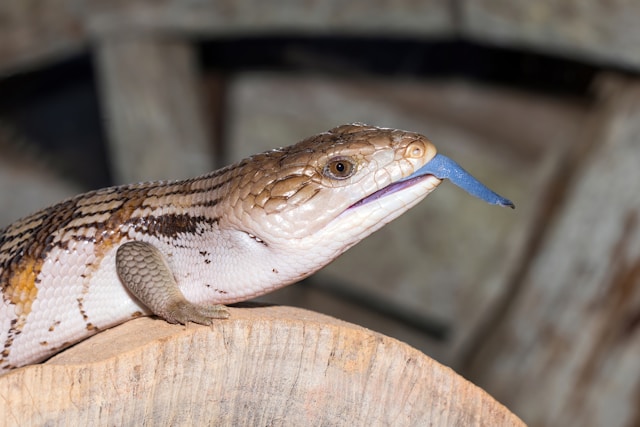
Famous for their bright blue tongues used for defense. Stout bodies and smooth scales give them a distinctive, prehistoric look.
Gentle Temperament
Known for being docile and easy to handle. Rarely bite and often become quite tame with regular interaction.
Diurnal Activity
Active during the day, making them perfect for owners who want to observe and interact with their pet during normal hours.
Personality Plus
Often described as puppy-like in their behavior. They recognize their owners and may come to the front of the enclosure when approached.
Pros
- Very docile and enjoy regular handling
- Active during the day for easy observation
- Long lifespan of 15-20 years with proper care
- Unique appearance with distinctive blue tongue
- Intelligent and can learn routines
Cons
- Require large enclosures (40+ gallons for adults)
- Need specific temperature gradients and UVB lighting
- Omnivorous diet requires variety and preparation
- Can be expensive to acquire and set up properly
- May brumate (hibernate) in winter months
Care Requirements
What you need to know to keep your Blue-Tongued Skink healthy and happy

Exercise
30 minutes daily
Blue-tongued skinks benefit from daily handling sessions and supervised exploration time outside their enclosure. Provide 10-12 hours of UVB exposure daily. Include hiding spots for security.

Grooming
Weekly spot clean, monthly deep clean
Remove waste promptly. Clean water dish regularly. They shed periodically; provide a humid hide during shedding. Bath in shallow warm water weekly.

Nutrition
Omnivorous diet requiring 60% vegetables, 30% protein, 10% fruit. Feed every other day for adults, daily for juveniles. Include calcium supplement 2-3 times weekly.
Training Timeline
Hatchling Acclimation
Allow 1-2 weeks to settle before handling. Set up proper temperature gradient (95-100F basking). Offer small insects and soft vegetables daily.
Handling Foundation
Begin gentle handling of 10-15 minutes daily. Introduce variety in vegetables and proteins. Monitor growth and appetite closely.
Socialization Period
Increase handling duration as skink becomes comfortable. Allow supervised exploration. Establish feeding routine with proper ratios.
Adult Care
Maintain regular handling and feeding routine. Feed every other day. Monitor weight and health. Annual vet checkups with reptile specialist.
Health Information
Common health concerns and prevention tips for Blue-Tongued Skink
Common Health Issues
- Metabolic bone disease from insufficient UVB or calcium
- Respiratory infections from incorrect temperature or humidity
- Obesity from overfeeding or inadequate exercise
- Impaction from inappropriate substrate
- Shedding issues in low humidity
Prevention Tips
- Provide proper UVB lighting and replace bulbs annually
- Maintain temperature gradient (95-100F basking area)
- Feed appropriate portions and monitor body condition
- Use appropriate substrate and avoid loose particles for juveniles
- Provide a humid hide during shedding periods
Ready to Meet Your Blue-Tongued Skink?
We've got everything you need to prepare for your new Blue-Tongued Skink
Find Blue-Tongued Skinks Near You