
Boa Constrictor
The Majestic Large Snake
Boa constrictors are impressive snakes for experienced keepers. Their substantial size, gentle nature, and beautiful patterns make them rewarding but demanding pets.
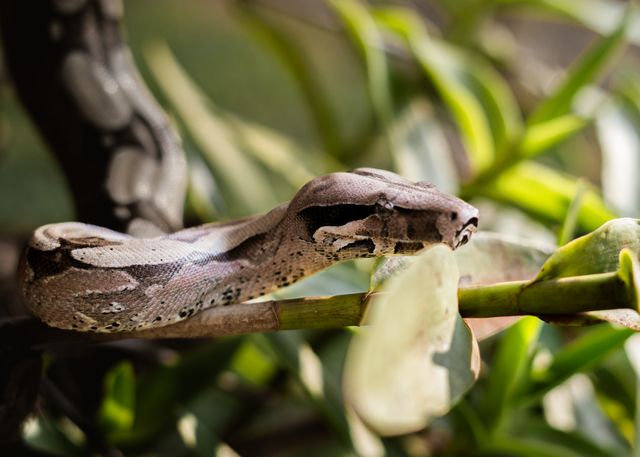
Why Boa Constrictors Are for Advanced Keepers
Impressive Size
One of the larger snake species commonly kept. Reach 6-10 feet and require significant space and strength to handle safely.
Gentle Giants
Despite their size, they are generally calm and docile. With regular handling, they become tractable and impressive companion animals.
Beautiful Patterns
Classic saddle patterns along their length. Available in many morphs from wild-type to striking color variations including albino and hypo.
Active Hunters
Powerful constrictors with impressive feeding responses. Fascinating to watch during feeding time and exploration of their enclosures.
Pros
- Generally docile and calm with regular handling
- Beautiful patterns and multiple color morphs available
- Long lifespan of 20-30 years with proper care
- Intelligent and can learn to recognize their owners
- Impressive and rewarding to keep for experienced owners
Cons
- Large size requires substantial enclosure space
- Heavy and strong - require two-person handling for adults
- Long lifespan of 20-30 years - major commitment
- Feed on larger prey (rats to rabbits for adults)
- Require experienced handling due to size and strength
Care Requirements
What you need to know to keep your Boa Constrictor healthy and happy

Exercise
30 minutes daily
Adult boas need handling sessions 2-3 times per week. Always have a second person present when handling large snakes. Provide climbing branches for natural exercise.

Grooming
Weekly spot clean, monthly deep clean
Remove waste and shed skin promptly. Clean water bowl weekly. Large snakes produce large waste requiring prompt cleanup. Provide humid hide during shedding.

Nutrition
Feed appropriately sized frozen/thawed prey. Juveniles eat every 7-10 days, adults every 14-21 days. Adults require rats to small rabbits. Never handle after feeding.
Training Timeline
Hatchling Foundation
Allow 2-3 weeks to settle before handling. Set up appropriate heating (90-92F warm side). Feed appropriate-sized prey weekly. Handle minimally initially.
Growth Phase
Gradually increase handling as snake grows accustomed. Upgrade enclosure size as needed. Monitor feeding response and growth rate closely.
Sub-Adult Development
Snake reaches substantial size requiring more care. Begin two-person handling practice. Transition to larger prey items. Provide larger enclosure.
Adult Care
Adults require large custom enclosures. Feed every 2-3 weeks. Always have a second person for handling. Schedule regular vet checkups with reptile specialist.
Health Information
Common health concerns and prevention tips for Boa Constrictor
Common Health Issues
- Respiratory infections from incorrect temperature
- Regurgitation from handling too soon after feeding
- Mites - external parasites common in large snakes
- Obesity from overfeeding
- Scale rot from damp substrate or poor hygiene
Prevention Tips
- Maintain proper temperature gradient (88-92F warm side)
- Never handle for 48 hours after feeding
- Provide appropriate substrate and keep enclosure clean
- Feed appropriate portions and monitor body condition
- Quarantine new snakes for at least 3 months
Ready to Meet Your Boa Constrictor?
We've got everything you need to prepare for your new Boa Constrictor
Find Boa Constrictors Near You