
Box Turtle
The Interactive Turtle with a Hinge
Box turtles are beloved North American turtles named for their unique hinged plastron (bottom shell) that allows them to completely close their shell for protection. Known for their engaging personalities and longevity, they form bonds with their owners over decades.
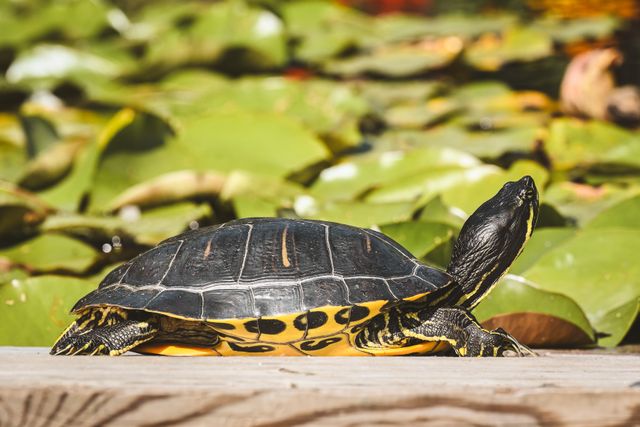
Why Box Turtles Are Cherished by Reptile Enthusiasts
Interactive Nature
Despite being shy initially, they become quite interactive with their owners over time. Many learn to recognize their keepers and come for food.
Unique Defense
Their hinged plastron allows them to completely close their shell, providing excellent protection from predators and fascinating observation.
Outdoor Compatible
Thrive in outdoor enclosures in suitable climates, where they can experience natural weather patterns and forage naturally.
Beautiful Appearance
Colorful shells with yellow, orange, and brown patterns. Each turtle has unique markings that make them individually distinctive.
Pros
- Very long-lived with potential to become family heirlooms
- Develop bonds with owners over time
- Beautiful and distinctive shell patterns
- Can thrive in outdoor enclosures
- Omnivorous diet offers feeding variety
Cons
- Very long lifespan is a major commitment
- Require specific humidity levels for health
- Can be escape artists with surprising climbing ability
- Often shy and hide frequently, especially when new
- Need both aquatic and terrestrial areas in habitat
Care Requirements
What you need to know to keep your Box Turtle healthy and happy

Exercise
45 minutes daily
Box turtles need space to roam, forage, and explore. Outdoor enclosures provide ideal exercise opportunities. They are active foragers; provide areas to dig and climb. Daily exploration time recommended.

Grooming
Daily spot clean, weekly deep clean
Clean waste daily. Replace substrate regularly. Provide shallow water dish for soaking and drinking. Maintain humidity 60-80%. Some individuals enjoy occasional shallow soaks.

Nutrition
Omnivorous diet: 50% vegetables and fruits (leafy greens, berries, squash), 40% protein (worms, insects, cooked lean meat), 10% treats. Variety is essential. Dust food with calcium weekly. Provide fresh water daily.
Training Timeline
Acclimation Phase
Allow your turtle to settle with minimal handling initially. Set up proper humidity (70-80%) and temperature gradients. Offer a variety of foods to establish eating habits.
Building Trust
Begin gentle, brief handling of 5-10 minutes. Approach slowly and predictably. Hand-feed favorite treats to build positive associations. Provide hiding areas for security.
Routine Establishment
Increase handling as turtle becomes comfortable. Your box turtle should recognize you and become more interactive. Expand habitat size as needed. Monitor health closely.
Long-term Bond
Your box turtle should be well-acclimated and interactive. Maintain consistent care routine. Consider outdoor housing in suitable climates. Plan for their extended lifespan.
Health Information
Common health concerns and prevention tips for Box Turtle
Common Health Issues
- Shell rot from poor hygiene or incorrect humidity
- Vitamin A deficiency from poor diet
- Respiratory infections from incorrect temperatures
- Parasites, especially in wild-caught turtles
Prevention Tips
- Maintain proper humidity (60-80%) and temperature gradients
- Provide varied diet with vitamin A-rich foods
- Keep enclosure clean and change water daily
- Quarantine new turtles before introducing to collection
- Annual veterinary checkups with reptile specialist
Ready to Meet Your Box Turtle?
We've got everything you need to prepare for your new Box Turtle
Find Box Turtles Near You