
Crested Gecko
The No-Light Reptile Pet
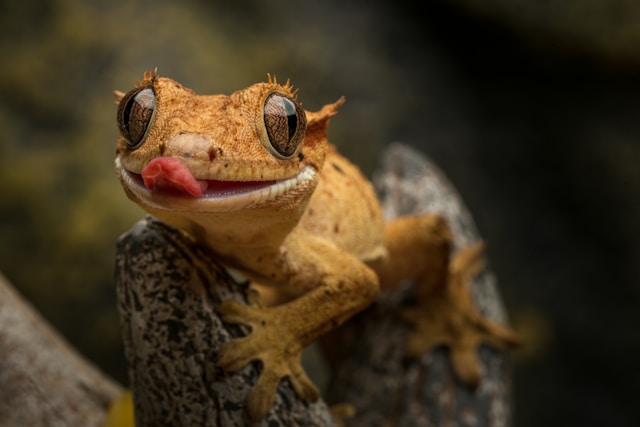
Crested geckos are unique among reptiles for requiring no special lighting. Their expressive eyes, prehensile tails, and simple care make them perfect for busy owners.
Why Crested Geckos Are Perfect for First-Time Reptile Owners
No Special Lighting
Unlike most reptiles, they require no UVB lighting. Room temperature is often adequate, making setup simple and affordable.
Powdered Diet
Can thrive on commercial powdered gecko diet, eliminating the need for live insects if desired. Simple and convenient feeding.
Arboreal Beauty
Natural tree-dwellers with prehensile tails. Create stunning vertical terrariums with plants and climbing surfaces.
Unique Appearance
Large, expressive eyes and beautiful eyelash crests. Available in many colors and patterns including harlequin and pinstripe.
Pros
- No special UVB lighting required unlike most reptiles
- Can be fed commercial diet without live insects
- Small size makes housing simple and affordable
- Beautiful appearance with unique eyelash crests
- Generally docile and tolerate limited handling
Cons
- More delicate than leopard geckos - tails can drop
- Require taller enclosures for climbing
- Can jump unexpectedly when young
- Dropped tails do not regenerate as fully as other geckos
- Prefer limited handling compared to some species
Care Requirements
What you need to know to keep your Crested Gecko healthy and happy

Exercise
10 minutes daily
Crested geckos need minimal handling - 10-15 minutes 2-3 times weekly. They are arboreal and need vertical climbing space. Provide plants and branches for natural exercise.

Grooming
Weekly spot clean, monthly deep clean
Remove waste and uneaten food promptly. Clean water dish regularly. Provide live plants for natural humidity. Mist daily to maintain 60-80% humidity.

Nutrition
Can be fed commercial crested gecko diet (CGD) exclusively. Alternatively, supplement with insects (crickets, roaches) and fruit purees. Feed every other day for adults, daily for juveniles.
Training Timeline
Hatchling Settlement
Allow 2 weeks without handling to settle. Set up tall enclosure with climbing surfaces. Offer commercial diet and small insects. Mist daily.
Handling Introduction
Begin very gentle handling of 5 minutes, 1-2 times weekly. Support the body and allow them to climb on your hand. Avoid grabbing the tail.
Bonding Period
Increase handling frequency gradually. Allow supervised exploration outside enclosure. Establish feeding routine with commercial diet.
Adult Care
Maintain regular but limited handling. Feed every other day. Monitor humidity levels closely. Annual vet checkups with exotic specialist.
Health Information
Common health concerns and prevention tips for Crested Gecko
Common Health Issues
- Floppy tail syndrome from inadequate climbing surfaces
- Mouth rot from unclean conditions or trauma
- Dehydration from insufficient humidity
- Calcium deficiency causing tremors (floppy tail)
- Shedding issues in low humidity environments
Prevention Tips
- Provide tall enclosure with plenty of climbing opportunities
- Maintain 60-80% humidity through daily misting
- Use commercial diet formulated for complete nutrition
- Include horizontal perches to prevent floppy tail
- Keep enclosure clean and spot clean waste promptly
Ready to Meet Your Crested Gecko?
We've got everything you need to prepare for your new Crested Gecko
Find Crested Geckos Near You