
Gargoyle Gecko
The Distinctive Climbing Gecko
Gargoyle geckos are named for the bony protrusions on their heads that resemble gargoyles. These arboreal geckos from New Caledonia are known for their unique appearance, prehensile tails, and surprisingly docile personalities.
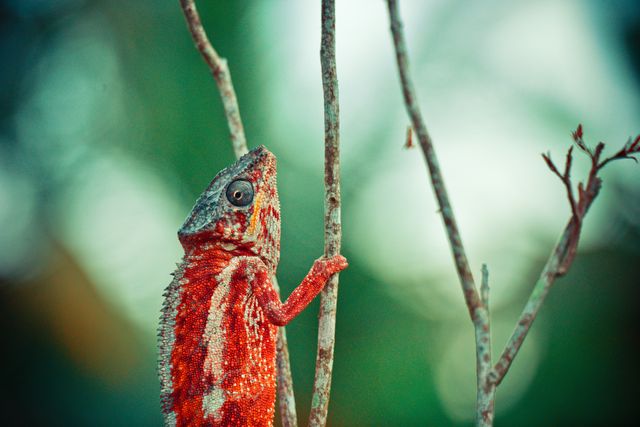
Why Gargoyle Geckos Are Perfect for First-Time Reptile Owners
Gentle Disposition
Known for their calm and tolerant nature. They handle well and rarely show aggression, making them ideal for regular interaction.
Unique Appearance
Their distinctive head crests and bony projections give them a prehistoric look. Available in various colors and patterns.
Simple Diet
Unlike many reptiles, they thrive on commercial gecko diet powders mixed with water, eliminating the need for live insects.
Arboreal Lifestyle
Natural climbers who appreciate vertical space. Watching them navigate branches provides endless entertainment.
Pros
- Very docile and tolerate handling well once acclimated
- No need for live insects - commercial diet is nutritionally complete
- Relatively simple habitat requirements compared to other reptiles
- Long-lived pets with proper care reaching 15-20 years
- Available in many beautiful color morphs and patterns
Cons
- Require specific humidity levels (60-80%) for proper shedding
- Arboreal species needing tall enclosures with climbing surfaces
- Can drop their tails when stressed, though they regenerate
- Nocturnal activity means less daytime interaction
- May be shy initially and require patience to tame
Care Requirements
What you need to know to keep your Gargoyle Gecko healthy and happy

Exercise
20 minutes daily
Gargoyle geckos are nocturnal but benefit from climbing opportunities in their enclosure. Provide vertical space with branches and plants. Short handling sessions of 10-15 minutes, 3-4 times per week once acclimated.

Grooming
Daily spot clean, monthly deep clean
Spot clean waste daily. Replace substrate monthly. Mist enclosure daily to maintain 60-80% humidity. They shed regularly; provide a humid hide during shedding periods to assist the process.

Nutrition
Feed commercial gecko diet (Repashy or Pangea) 3 times per week. Supplement with occasional insects (crickets, roaches) for variety. Dust insects with calcium. Provide fresh water in a shallow dish.
Training Timeline
Settlement Period
Allow your gecko to settle without handling for the first 2-3 weeks. Establish proper temperature, humidity, and feeding routine. Use paper towels as substrate initially.
Trust Building
Begin very brief handling sessions of 2-3 minutes. Place hand in enclosure and allow gecko to approach voluntarily. Offer food from tongs to build positive associations.
Handling Progression
Gradually increase handling time to 5-10 minutes. Support the entire body when lifting. Allow gecko to climb through fingers rather than grasping.
Bonded Adult
Establish regular handling routine. Your gecko should be comfortable being held. Monitor weight and health. Annual veterinary checkups recommended.
Health Information
Common health concerns and prevention tips for Gargoyle Gecko
Common Health Issues
- Metabolic bone disease from insufficient calcium or vitamin D3
- Shedding difficulties due to low humidity
- Dehydration indicated by wrinkled skin
- Calcium deficiency causing floppy tail syndrome
Prevention Tips
- Use calcium-supplemented commercial gecko diet
- Maintain 60-80% humidity through daily misting
- Provide temperature gradient (72-80F) with no hot spots
- Include a humid hide during shedding periods
- Weigh regularly to monitor health and prevent weight loss
Ready to Meet Your Gargoyle Gecko?
We've got everything you need to prepare for your new Gargoyle Gecko
Find Gargoyle Geckos Near You