
Hermanns Tortoise
The Hardy Mediterranean Tortoise
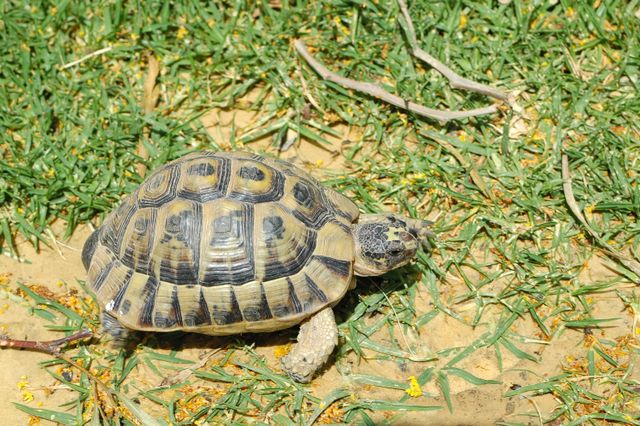
Hermanns tortoises are small to medium-sized tortoises native to Mediterranean Europe. Known for their engaging personalities, beautiful shell patterns, and impressive longevity, they are among the most popular tortoise species for reptile enthusiasts.
Why Hermanns Tortoises Are Popular Among Reptile Enthusiasts
Engaging Personality
Despite their slow pace, they are curious and active. Many learn to recognize their owners and come running (slowly) when they see them.
Hardy Constitution
Adaptable and resilient when provided proper care. They tolerate a range of conditions better than many reptile species.
Outdoor Potential
Can be kept outdoors in suitable climates, providing natural UVB and exercise. Outdoor housing improves their quality of life significantly.
Lifetime Companion
With potential lifespans exceeding 50 years, they are truly lifetime pets that can be passed down through generations.
Pros
- Engaging personalities and become quite attached to owners
- Very hardy when established in proper habitat
- Herbivorous diet is simple and inexpensive
- Can be housed outdoors in suitable climates
- Beautiful shell patterns with distinctive markings
Cons
- Extreme longevity requires lifetime planning
- Need significant space as they grow
- Require specific temperature and humidity ranges
- May hibernate depending on climate
- Can be escape artists requiring secure enclosures
Care Requirements
What you need to know to keep your Hermanns Tortoise healthy and happy

Exercise
60 minutes daily
Hermanns tortoises need ample space to roam and explore. Outdoor time in secure enclosures provides natural exercise and UVB exposure. They are active foragers; allow at least an hour of exploration daily.

Grooming
Daily spot clean, weekly deep clean
Clean waste daily. Change substrate weekly. Provide shallow water dish for soaking. Maintain humidity 40-60% by misting occasionally. No bathing required if access to water provided.

Nutrition
Herbivorous diet of leafy greens (dandelion greens, collard greens, mustard greens), grasses, and flowers. Limit fruit to occasional treats. Avoid high-protein foods. Calcium supplement weekly. Provide fresh water daily.
Training Timeline
Hatchling Setup
Maintain higher humidity (70-80%) for young tortoises. Provide small, secure enclosure with UVB and heat. Soak daily in shallow warm water for hydration. Monitor feeding closely.
Growth Phase
Gradually decrease humidity to adult levels. Expand enclosure size. Introduce variety in greens and weeds. Monitor shell development for smooth growth.
Sub-Adult Development
Provide increasingly larger enclosure or outdoor access. Establish consistent feeding routine. Monitor for pyramiding (abnormal shell growth) through proper humidity and diet.
Adult Care
Full-sized tortoise requires significant space. Outdoor housing ideal in suitable climates. Annual veterinary checkups important for long-term health monitoring.
Health Information
Common health concerns and prevention tips for Hermanns Tortoise
Common Health Issues
- Shell pyramiding from improper humidity or diet
- Respiratory infections from incorrect temperatures
- Metabolic bone disease from UVB deficiency
- Parasites, especially in wild-caught specimens
Prevention Tips
- Provide quality UVB lighting or natural sunlight
- Maintain proper humidity (40-60% for adults)
- Feed calcium-rich leafy greens and limit protein
- Quarantine new tortoises before introducing to collection
- Annual fecal exams to check for parasites
Ready to Meet Your Hermanns Tortoise?
We've got everything you need to prepare for your new Hermanns Tortoise
Find Hermanns Tortoises Near You