
King Snake
The Active Hunter Snake
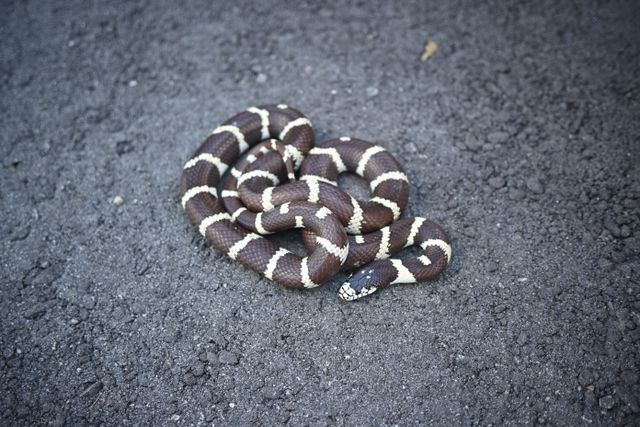
King snakes are fascinating constrictors known for their beautiful patterns and active nature. Their curious personalities and simple care make them rewarding pets for intermediate keepers.
Why King Snakes Make Fascinating Pets
Active Hunters
More active than many snakes, especially during feeding time. Fascinating to watch as they explore and hunt in their enclosure.
Beautiful Patterns
Available in many subspecies with stunning patterns. California kingsnakes have bands while others have stripes or speckles.
Immune to Venom
Famous for being immune to rattlesnake venom in the wild. Hardy constitution makes them resilient captives.
Varied Species
Multiple species available from small prairie kingsnakes to larger Mexican black kingsnakes. Something for every preference.
Pros
- Very active and curious compared to many snakes
- Excellent feeders that rarely refuse food
- Beautiful patterns and color varieties available
- Hardy and tolerant of minor care mistakes
- Generally more active during daytime hours
Cons
- Can be more defensive than corn snakes or ball pythons
- May musk or bite when stressed (usually tame with handling)
- Strong feeding response can lead to accidental bites
- Require secure enclosures (skilled escape artists)
- Some species can grow quite large
Care Requirements
What you need to know to keep your King Snake healthy and happy

Exercise
20 minutes daily
King snakes benefit from handling sessions 3-4 times per week. They are active and enjoy exploring outside their enclosure under supervision. Provide hiding spots for security.

Grooming
Weekly spot clean, monthly deep clean
Remove waste and shed skin promptly. Clean water bowl weekly. Provide a humid hide during shedding to ensure complete shed. Ensure enclosure is escape-proof.

Nutrition
Feed appropriately sized frozen/thawed mice. Hatchlings eat every 5-7 days, adults every 7-10 days. Some species accept varied prey including birds or reptiles.
Training Timeline
Hatchling Settlement
Allow 2 weeks to settle without handling. Set up proper temperature gradient (82-85F warm side). Establish feeding with appropriate-sized prey.
Handling Introduction
Begin short handling of 5-10 minutes weekly using tongs or hooks initially. Support body fully during handling. Respect their stronger feeding response.
Socialization Period
Increase handling frequency and duration gradually. Allow supervised exploration. Monitor for defensive behavior and reduce handling if stressed.
Adult Routine
Establish regular handling and feeding routine. Feed every 7-10 days. Ensure enclosure remains escape-proof. Annual vet checkups recommended.
Health Information
Common health concerns and prevention tips for King Snake
Common Health Issues
- Incomplete shed from insufficient humidity
- Respiratory infections from incorrect temperatures
- Anorexia - though less common than ball pythons
- Mites - external parasites common in snakes
- Scale rot from damp substrate
Prevention Tips
- Maintain proper temperature gradient (82-85F warm side)
- Provide a humid hide during shedding periods
- Keep enclosure clean and dry with appropriate substrate
- Quarantine new snakes for at least 3 months
- Ensure fresh water is always available
Ready to Meet Your King Snake?
We've got everything you need to prepare for your new King Snake
Find King Snakes Near You