
Rosy Boa
The Gentle Desert Rose
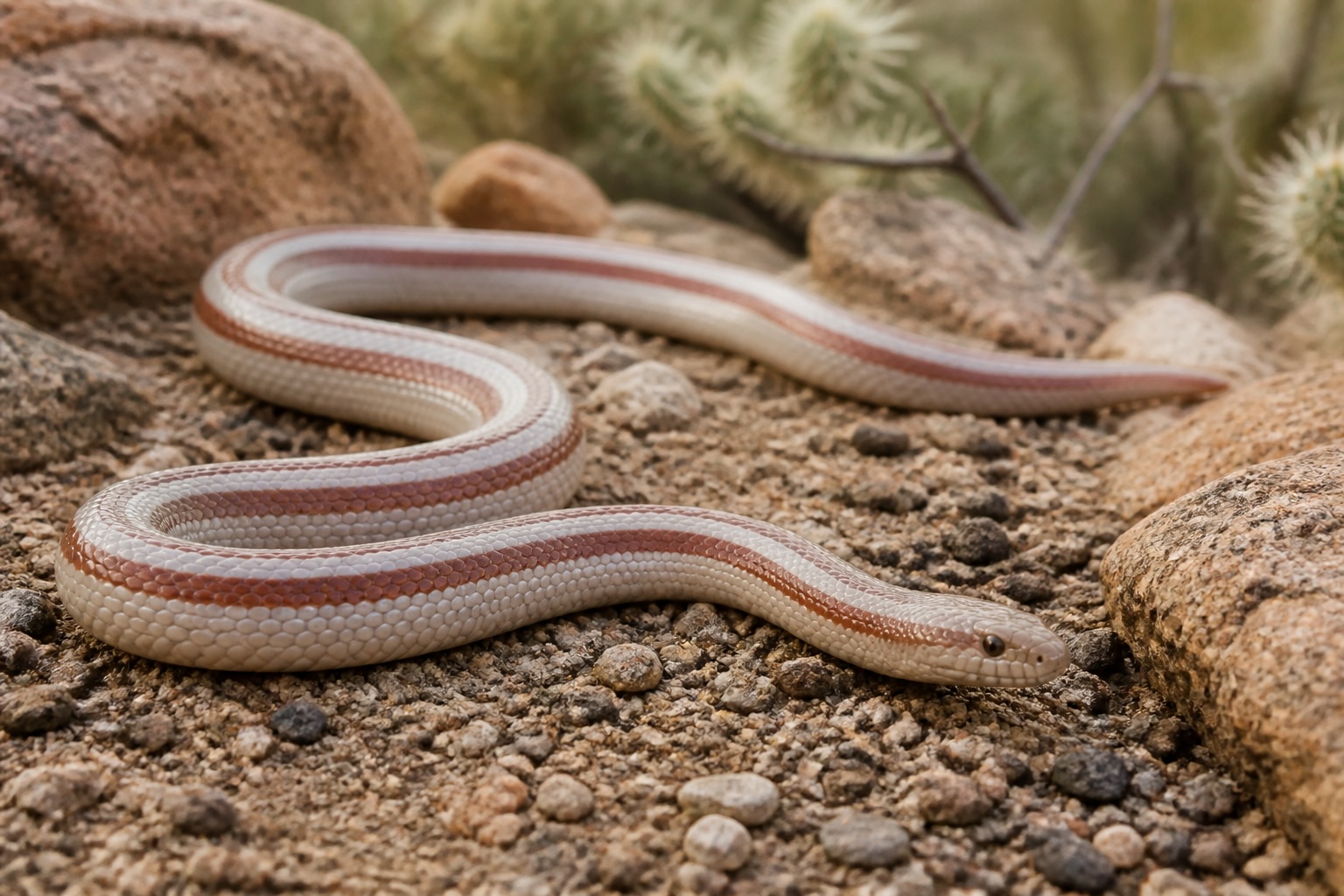
Rosy Boas are beautiful small constrictors native to the southwestern United States and Mexico. These calm slow-moving snakes are among the gentlest snake species and make excellent pets for beginners seeking a docile snake with attractive rosy-pink striping.
Why Rosy Boas Fascinate Reptile Keepers
Unique Appearance
Rosy Boas have distinctive features that set them apart in the reptile world.
Hardy Constitution
With proper husbandry, they are robust reptiles that thrive in captivity.
Fascinating Behavior
Their natural behaviors provide endless interest for dedicated keepers.
Display Animal
They make impressive display animals in well-designed naturalistic enclosures.
Pros
- Unique fascinating appearance
- Engaging natural behaviors to observe
- Can thrive in captivity with proper care
- Long lifespan providing years of companionship
- Growing community of enthusiasts for support
Cons
- Require specialized enclosure setup
- Need specific temperature and humidity ranges
- Dietary needs may include live insects
- Veterinary care from exotic reptile vet required
- Initial setup costs can be significant
Care Requirements
What you need to know to keep your Rosy Boa healthy and happy

Exercise
0 minutes daily
Provide an appropriately sized enclosure with climbing, hiding, and basking opportunities. Rosy Boas benefit from environmental enrichment and species-appropriate space to explore.

Grooming
As needed
Monitor for proper shedding and maintain enclosure cleanliness. Regular substrate changes, water dish cleaning, and habitat maintenance keep your Rosy Boa healthy.

Nutrition
Feed a species-appropriate diet with proper supplementation. Calcium and vitamin D3 supplements are typically essential. Fresh water should always be available.
Training Timeline
Acclimation Period
Allow your Rosy Boa to settle into their new enclosure without handling. Ensure temperatures and humidity are correct.
Gradual Introduction
Begin brief gentle handling sessions if the species tolerates it. Offer food by tongs to build positive associations.
Routine Establishment
Establish regular feeding, cleaning, and interaction schedules. Most reptiles respond well to consistent routines.
Settled Companion
Your Rosy Boa should be settled and showing natural behaviors. Continue providing optimal husbandry and enrichment.
Health Information
Common health concerns and prevention tips for Rosy Boa
Common Health Issues
- Metabolic bone disease from calcium deficiency
- Respiratory infections from improper humidity
- Parasites both internal and external
- Dysecdysis or incomplete shedding
- Mouth rot from poor husbandry
Prevention Tips
- Provide proper UVB lighting and calcium supplementation
- Maintain correct temperature gradient and humidity
- Schedule regular exotic vet checkups
- Keep enclosure clean and properly ventilated
- Quarantine new animals before introducing
Ready for a Rosy Boa?
We've got everything you need to prepare for your new Rosy Boa
Find Rosy Boas Near You