
Russian Tortoise
The Hardy Pet Tortoise
Russian tortoises are among the best tortoises for beginners. Their small size, hardy nature, and engaging personalities make them excellent long-term companions.
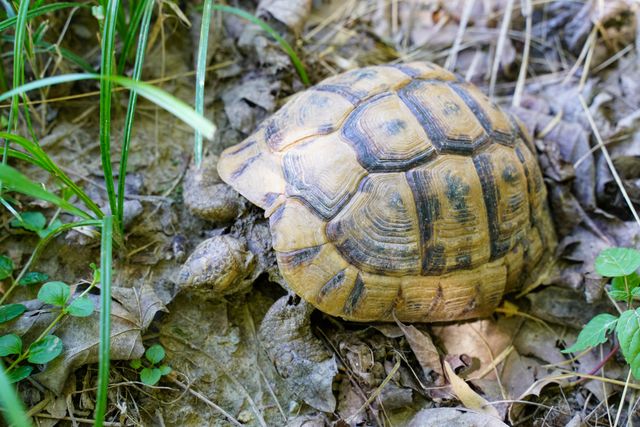
Why Russian Tortoises Make Excellent Pets
Very Hardy
One of the hardiest tortoise species. Tolerant of various conditions and forgiving of minor care mistakes ideal for beginners.
Manageable Size
Adults reach only 6-10 inches, making them much easier to house than larger tortoise species. Suitable for indoor habitats.
Outdoor Opportunity
Can be kept outdoors in suitable climates. Love natural sunlight and grazing on safe grasses and weeds.
Engaging Personality
Active and curious compared to many tortoises. Often learn to recognize their owners and come running for food.
Pros
- Very hardy and forgiving of beginner mistakes
- Small size makes housing manageable
- Long lifespan of 40+ years with proper care
- Active and engaging compared to many tortoises
- Can be kept outdoors in suitable climates
Cons
- Long lifespan of 40-50 years - serious commitment
- Require specific lighting and temperature gradients
- Herbivorous diet requiring variety and calcium
- Can be escape artists from outdoor enclosures
- May hibernate in winter depending on conditions
Care Requirements
What you need to know to keep your Russian Tortoise healthy and happy

Exercise
30 minutes daily
Russian tortoises need space to walk and explore. Provide outdoor time in secure enclosures when weather permits. 10-12 hours of UVB exposure daily. Include hiding spots.

Grooming
Weekly spot clean, monthly deep clean
Remove waste daily. Clean water dish regularly. Monitor shell health for abnormalities. Bath in shallow warm water weekly to maintain hydration.

Nutrition
Herbivorous diet of leafy greens, grasses, and weeds. Limit fruit and high-protein foods. Provide calcium supplement weekly. Feed daily with variety of dark leafy greens.
Training Timeline
Hatchling Care
Provide warm, humid environment for proper shell development. Offer varied diet of dark leafy greens. Soak daily in shallow water. UVB lighting essential.
Juvenile Growth
Monitor growth and shell development. Introduce more variety to diet including safe weeds and flowers. Increase enclosure size as tortoise grows.
Sub-Adult Development
Transition to adult diet and enclosure size. Consider outdoor housing in suitable weather. Maintain proper lighting and supplementation.
Adult Long-Term Care
Provide permanent housing adequate for adult size. Maintain routine care including diet, lighting, and monitoring. Plan for their 40-50 year lifespan.
Health Information
Common health concerns and prevention tips for Russian Tortoise
Common Health Issues
- Pyramiding from improper humidity or diet
- Respiratory infections from incorrect temperature
- Metabolic bone disease from insufficient UVB
- Shell rot from damp substrate or injury
- Parasites from improper diet or outdoor exposure
Prevention Tips
- Provide proper UVB lighting and replace bulbs annually
- Maintain humidity 40-60% for proper shell growth
- Keep substrate dry and clean to prevent shell rot
- Offer varied, calcium-rich herbivorous diet
- Quarantine new tortoises before introduction
Ready to Meet Your Russian Tortoise?
We've got everything you need to prepare for your new Russian Tortoise
Find Russian Tortoises Near You