
Savannah Monitor
The Intelligent Monitor Lizard
Savannah monitors are medium-sized African lizards known for their intelligence and engaging personalities. While they require significant commitment and proper care, they can become responsive pets for dedicated reptile enthusiasts with adequate space.
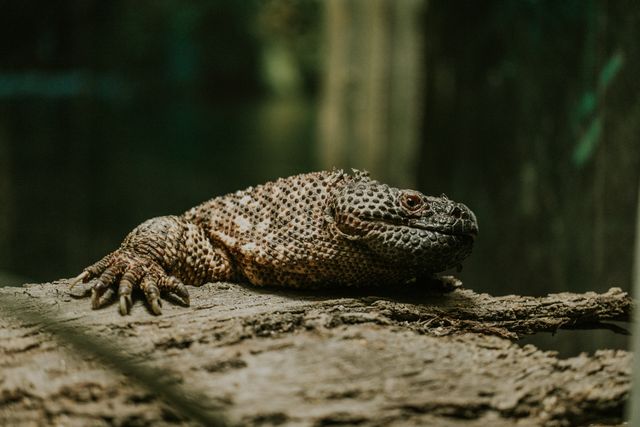
Why Savannah Monitors Challenge and Reward Keepers
High Intelligence
Among the smartest reptiles, they can recognize keepers and learn routines. Their cognitive abilities make them fascinating to observe and interact with.
Robust Constitution
Generally hardy lizards that adapt well to captivity when provided proper conditions. Less prone to health issues than many other reptile species.
Active Foragers
Natural hunters that enjoy searching for food. Environmental enrichment through food hiding and variety keeps them mentally stimulated.
Impressive Size
Substantial presence without the massive requirements of larger monitor species. Manageable for keepers with adequate space commitment.
Pros
- Highly intelligent with engaging personalities
- Generally hardy with proper care and conditions
- Can become quite responsive to regular keepers
- Active and interesting to observe
- Long-lived with proper care
Cons
- Require very large enclosures (6x4x3 feet minimum)
- Can be defensive and may inflict painful bites
- Produce significant waste requiring frequent cleaning
- Higher temperatures needed than many other reptiles
- Require significant commitment of time and resources
Care Requirements
What you need to know to keep your Savannah Monitor healthy and happy

Exercise
30 minutes daily
Savannah monitors need space to explore and forage naturally. Provide enrichment through varied feeding methods. supervised outside-enclosure time possible with tame individuals.

Grooming
Daily spot clean, weekly maintenance
Spot clean waste daily due to large volume. Replace substrate monthly. Provide humidity during shedding. Baths in warm water help hydration and shedding.

Nutrition
Omnivorous diet including insects, rodents, and some vegetables. Feed juveniles daily, adults every 2-3 days. Dust food with calcium supplement regularly. Avoid obesity.
Training Timeline
Settlement Phase
Allow your monitor to acclimate with minimal handling initially. Establish proper temperature gradients and basking areas. Offer appropriate small prey.
Early Interaction
Begin brief handling sessions once feeding well. Use tongs for feeding to build positive associations. Provide hiding areas to reduce stress.
Development Period
Increase handling time gradually. Provide varied diet and environmental enrichment. Monitor growth and adjust enclosure size as needed.
Adult Care
Maintain consistent care routine. Monitor weight to prevent obesity. Regular veterinary checkups essential. Ensure enclosure meets adult size requirements.
Health Information
Common health concerns and prevention tips for Savannah Monitor
Common Health Issues
- Obesity from overfeeding and insufficient activity
- Metabolic bone disease from inadequate UVB
- Respiratory infections from incorrect humidity
- Skin infections from poor hygiene
Prevention Tips
- Provide appropriate UVB lighting with proper distance
- Maintain basking temperatures of 100-110F
- Feed according to age and activity level
- Keep enclosure clean and dry with proper ventilation
- Find an experienced reptile veterinarian
Ready to Care for a Savannah Monitor?
We've got everything you need to prepare for your new Savannah Monitor
Find Savannah Monitors Near You