
Tokay Gecko
The Vocal Gecko
Tokay geckos are large, impressive geckos known for their distinctive vocalizations and beautiful coloration. Native to Southeast Asia, these nocturnal climbers are best suited for experienced reptile keepers who appreciate their bold personality and stunning appearance.
Why Tokay Geckos Appeal to Experienced Keepers
Famous Calls
Known for their distinctive 'to-kay' vocalization that gives them their name. Their loud calls are unique among reptiles and fascinating to hear.
Stunning Appearance
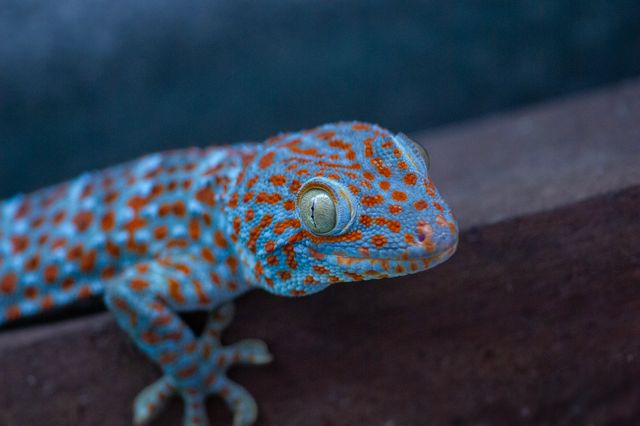
Beautiful blue-gray bodies with bright orange or red spots. Their striking coloration makes them one of the most visually impressive gecko species.
Bold Personality
Known for their confident and feisty disposition. Unlike many shy geckos, tokays are active and unafraid to defend their territory.
Expert Climbers
Incredible climbing ability thanks to specialized toe pads. They can scale smooth surfaces and enjoy vertical enclosures with climbing opportunities.
Pros
- Beautiful and distinctive coloration
- Active and entertaining to observe
- Interesting vocalizations unique among reptiles
- Hardy when properly established
- Long lifespan with proper care
Cons
- Can be aggressive and deliver painful bites
- Not suitable for regular handling
- Nocturnal habits limit observation hours
- Can be loud with their vocalizations
- May require taming efforts that take months
Care Requirements
What you need to know to keep your Tokay Gecko healthy and happy

Exercise
15 minutes daily
Tokay geckos exercise naturally through climbing in their enclosure. Provide varied branches and surfaces. They are primarily display animals that do not require additional exercise.

Grooming
As needed spot cleaning
Remove waste promptly when noticed. Maintain proper humidity through misting. Replace substrate every 2-3 months. Provide humidity during shedding periods.

Nutrition
Feed insects (crickets, roaches, worms) every other day for adults, daily for juveniles. Dust insects with calcium supplement 2-3 times weekly. Provide fresh water.
Training Timeline
Acclimation Period
Allow your gecko to settle in without handling initially. Establish proper temperature and humidity. Offer food regularly to establish feeding response.
Trust Development
Most tokays remain display animals. Begin hand-feeding insects to build trust. Minimal handling recommended due to defensive nature.
Established Routine
Focus on proper care and observation rather than handling. Provide varied climbing opportunities. Monitor health and growth.
Long-term Care
Maintain consistent care routine. Some individuals may become tolerant of handling with time. Annual veterinary checkups recommended.
Health Information
Common health concerns and prevention tips for Tokay Gecko
Common Health Issues
- Metabolic bone disease from inadequate calcium or UVB
- Shedding difficulties from improper humidity
- Dehydration from insufficient water sources
- Tail loss from stress or rough handling
Prevention Tips
- Provide appropriate calcium and vitamin supplementation
- Maintain humidity at 60-80% with regular misting
- Offer fresh water daily and mist enclosure regularly
- Avoid grabbing by the tail to prevent loss
- Find an experienced reptile veterinarian
Ready to Care for a Tokay Gecko?
We've got everything you need to prepare for your new Tokay Gecko
Find Tokay Geckos Near You