
Uromastyx
The Spiny-Tailed Desert Lizard
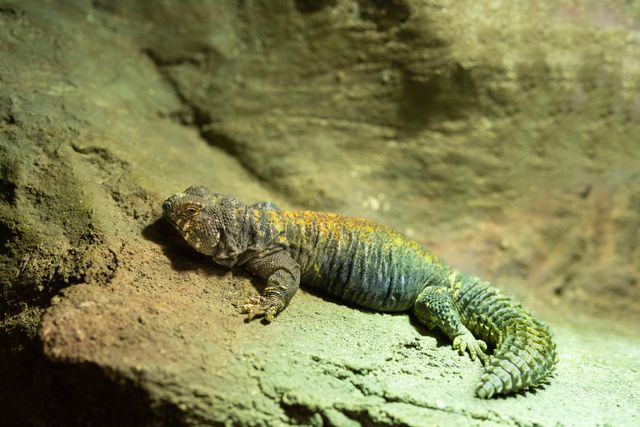
Uromastyx lizards are fascinating desert dwellers from North Africa and the Middle East. Named for their distinctive spiny tails, these diurnal lizards are known for their striking colors, interesting behaviors, and increasingly popularity among reptile enthusiasts.
Why Uromastyx Are Captivating for Reptile Enthusiasts
Basking Specialists
Evolved for intense desert heat, they spend hours basking under hot lights. Their need for high temperatures makes them unique among pet reptiles.
Vibrant Colors
Display brilliant colors including yellows, oranges, reds, and blues. Coloration intensifies with proper care and optimal basking temperatures.
Herbivorous Diet
Primarily vegetarian, eating seeds, flowers, and greens. This makes feeding simpler and eliminates the need for live insects.
Active Observers
Diurnal and active during the day, making them engaging to watch. They exhibit interesting behaviors and become more interactive with time.
Pros
- Beautiful colors and interesting behaviors to observe
- Diurnal activity aligns with human schedules
- Herbivorous diet simplifies feeding
- Long lifespan of 15-25 years
- Unique appearance with spiny tail
Cons
- Require very high temperatures (110-120F basking spot)
- Need specialized desert habitat setup
- Can be shy and hide frequently when new
- May take time to become comfortable with handling
- Require quality UVB lighting for health
Care Requirements
What you need to know to keep your Uromastyx healthy and happy

Exercise
30 minutes daily
Uromastyx are active during the day and need floor space to move around. Provide various basking spots at different heights. Handle 10-15 minutes when acclimated. They are more active in warmer conditions.

Grooming
Daily spot clean, monthly deep clean
Clean waste daily. Replace substrate monthly. Maintain low humidity (20-35%). They shed periodically; provide a humid hide during shedding to assist. No bathing required.

Nutrition
Herbivorous: offer mixed greens, vegetables, and seeds daily. Favorites include dandelion greens, collard greens, and bird seed mixes. Limit protein intake. Provide fresh water in a shallow dish, though they may not drink often.
Training Timeline
Settlement Period
Allow your uromastyx to settle for 2-3 weeks without handling. Set up appropriate temperature gradient with very hot basking area (110-120F). Offer small, frequent meals of mixed greens and seeds.
Trust Building
Begin brief handling sessions of 5 minutes. Sit near enclosure and let them get used to your presence. Hand-feed favorite treats to build positive associations.
Handling Progression
Gradually increase handling time to 10-15 minutes. Support the entire body when lifting. Move slowly and predictably. They may become more interactive as they mature.
Established Routine
Your uromastyx should be comfortable with regular handling. Maintain consistent feeding schedule with varied vegetation. Monitor weight and health. Annual veterinary checkups recommended.
Health Information
Common health concerns and prevention tips for Uromastyx
Common Health Issues
- Metabolic bone disease from insufficient UVB
- Tail rot from injury or improper humidity
- Dehydration from inadequate water access
- Respiratory infections from humidity that is too high
Prevention Tips
- Provide quality UVB lighting and replace annually
- Maintain very low humidity (20-35%)
- Offer fresh water daily and occasional misting
- Keep basking spot at 110-120F for proper digestion
- Quarantine new animals before introducing
Ready to Meet Your Uromastyx?
We've got everything you need to prepare for your new Uromastyx
Find Uromastyx Near You