
African Pygmy Hedgehog
The Quirky Spiked Companion
African Pygmy Hedgehogs are unique, insect-eating mammals that have captured the hearts of exotic pet enthusiasts. With their distinctive spines, curious personalities, and relatively small size, they offer a rewarding pet experience for dedicated owners willing to meet their specific care requirements.
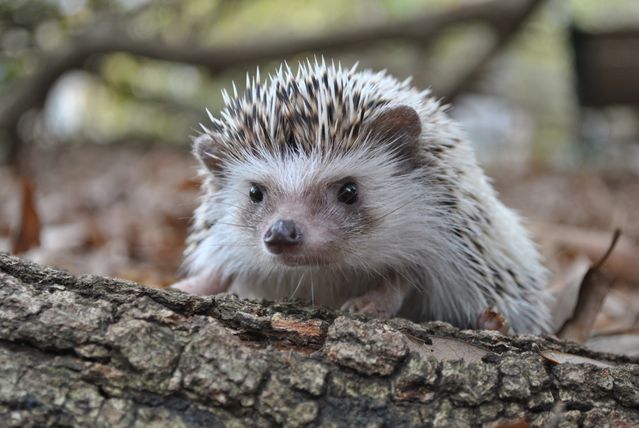
Why African Pygmy Hedgehogs Are Unique Companions
Distinctive Spines
Their most famous feature - thousands of non-barbed quills that lay flat when relaxed and raise when threatened. Unlike porcupines, their quills cannot detach.
Nighttime Explorers
Naturally nocturnal creatures most active at night. They wake up ready to explore and play when evening arrives, making them perfect for night owl owners.
Self-Anointing
Fascinating behavior where hedgehogs chew interesting new scents and create a frothy saliva to spread over their spines, a unique display of their quirkiness.
Temperature Sensitive
Require warm environments between 72-80 degrees Fahrenheit. They can attempt hibernation in temperatures below 70 degrees, which can be fatal in captivity.
Pros
- Unique and exotic appearance that sparks conversations
- Relatively quiet pets that make minimal noise
- Can form bonds with owners through regular handling
- Small size makes them suitable for apartments
- Longer lifespan than many other small pets at 4-6 years
Cons
- Require specific temperature control and heating equipment
- Nocturnal lifestyle means they sleep during the day
- Can be shy and require patience to socialize properly
- Specialized diet requirements including insects and protein
- Require regular nail trimming and occasional bathing
Care Requirements
What you need to know to keep your African Pygmy Hedgehog healthy and happy

Exercise
30 minutes daily
Provide a solid surface wheel (at least 12 inches diameter) for nightly exercise. Offer supervised exploration time in a hedgehog-proofed area. Supply tunnels, hide boxes, and foraging toys for mental stimulation.

Grooming
Weekly checks
Spot clean soiled areas daily. Perform full cage cleaning weekly. Bathing is needed occasionally when dirty - use warm water and hedgehog-safe shampoo. Trim nails every 2-3 weeks and check ears regularly.

Nutrition
Feed high-quality cat food (30% protein, low fat) as the staple diet. Provide 1-2 tablespoons daily along with live or dried insects like mealworms. Supplement with small amounts of cooked lean meats and vegetables. Always provide fresh water.
Training Timeline
Acclimation Period
Give your hedgehog a full week to adjust to their new environment. Place your worn shirt in their cage for scent familiarity. Sit near the cage and speak softly to build trust.
First Handling
Begin picking up your hedgehog using both hands with a soft towel if needed. Start with 5-10 minute sessions during evening hours when they are naturally awake. Offer treats from your hand.
Building Trust
Increase handling time gradually to 15-20 minutes daily. Practice gently uncurling them when they ball up. Allow them to explore your hands and arms at their own pace.
Bonded Companion
Your hedgehog should be more relaxed and may even come to the cage door when you approach. They will uncurl faster and show curiosity. Continue regular interaction to maintain the bond.
Health Information
Common health concerns and prevention tips for African Pygmy Hedgehog
Common Health Issues
- Mites and fungal skin infections causing dry, flaky skin
- Dental problems from improper diet or lack of chewing
- Obesity from too many treats and insufficient exercise
- Wobbly hedgehog syndrome - a degenerative neurological condition
- Respiratory infections from improper temperature or humidity
Prevention Tips
- Maintain strict temperature control between 72-80 degrees Fahrenheit
- Provide a balanced diet with appropriate protein levels
- Use safe bedding such as fleece liners or paper-based products
- Keep cage clean and dry to prevent fungal and bacterial growth
- Schedule regular veterinary check-ups with an exotic pet specialist
Ready to Welcome a Hedgehog?
We've got everything you need to prepare for your new African Pygmy Hedgehog
Find African Pygmy Hedgehogs Near You