
American Guinea Pig
The Friendly Classic Companion
American Guinea Pigs are the most recognizable and popular guinea pig breed, known for their smooth coat, gentle temperament, and vocal personality. These social rodents make excellent pets for families and first-time owners.
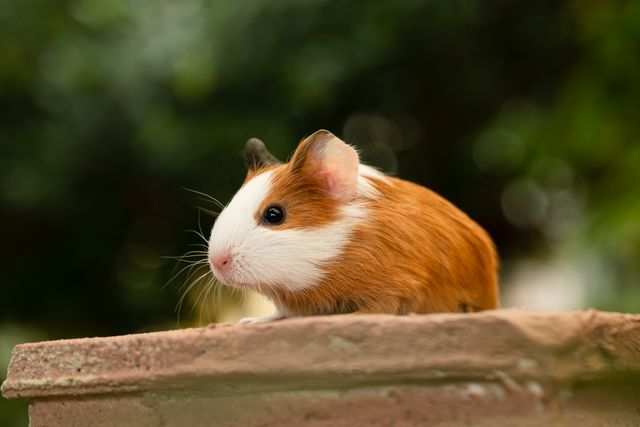
Why American Guinea Pigs Are Perfect for First-Time Owners
Social Creatures
Guinea pigs thrive with companionship and are happiest in pairs or small groups. Their social nature makes them entertaining and interactive household members.
Vocal Communicators
Known for their varied vocalizations including wheeks, purrs, and popcorn jumps. They will vocalize to greet you, request food, and express contentment.
Easy Care Coat
Their short, smooth coat requires minimal grooming. The American breed is the lowest maintenance of all guinea pig varieties, perfect for busy owners.
Gentle Disposition
Rarely bite and are generally patient with handling. Their calm, friendly nature makes them ideal for children and novice pet owners.
Pros
- Social and interactive, they recognize their owners
- Vocal and expressive, communicating clearly their needs
- Low-maintenance short coat requires minimal grooming
- Generally healthy with proper care and diet
- Docile and rarely bite, great for supervised children
Cons
- Require large cages and benefit from having a companion
- Need daily fresh vegetables and vitamin C supplementation
- Can be messy, kicking bedding and food out of cages
- Vocal when hungry - expect loud wheeking at feeding times
- Require regular nail trimming and occasional dental care
Care Requirements
What you need to know to keep your American Guinea Pig healthy and happy

Exercise
60 minutes daily
Provide floor time in a guinea pig-proofed area daily for exploration and exercise. A cage should be at least 7.5 square feet for one pig, plus additional space for each additional guinea pig. Include tunnels, hides, and chew toys for mental stimulation.

Grooming
Weekly
Brush weekly to remove loose hair and distribute skin oils. Trim nails every 3-4 weeks. Check ears, teeth, and bottom regularly for any issues. Spot clean cage daily and perform full cleaning weekly.

Nutrition
Unlimited high-quality grass hay (timothy or orchard) should be available constantly. Provide 1/8 cup of quality pellets daily. Offer one cup of fresh vegetables daily, focusing on vitamin C-rich foods like bell peppers. Always provide fresh water.
Training Timeline
Acclimation
Give your guinea pig time to adjust to their new home without excessive handling. Sit near their cage and speak softly so they become familiar with your voice and presence.
Building Trust
Begin offering vegetables and treats from your hand. Once comfortable, start gently lifting them for short periods. Support their entire body when holding and never squeeze.
Socialization
Increase handling time gradually and introduce gentle petting. Many guinea pigs enjoy chin and cheek scratches. Establish a routine for feeding and floor time.
Bonded Companion
Your guinea pig should wheek excitedly when you approach and enjoy being held. Continue daily interaction, provide enrichment, and enjoy their engaging personality.
Health Information
Common health concerns and prevention tips for American Guinea Pig
Common Health Issues
- Vitamin C deficiency - guinea pigs cannot produce their own vitamin C
- Respiratory infections from poor ventilation or drafty conditions
- Dental malocclusion - overgrown teeth affecting eating
- Pododermatitis - foot sores from wire flooring or unclean bedding
- Mites and lice causing skin irritation and hair loss
Prevention Tips
- Provide vitamin C through vegetables or supplements (30-50mg daily)
- Use paper-based bedding and avoid cedar or pine shavings
- Maintain temperatures between 65-75 degrees Fahrenheit
- Schedule annual checkups with an exotic animal veterinarian
- Provide unlimited hay to promote natural tooth wear
Ready to Meet Your American Guinea Pig?
We've got everything you need to prepare for your new American Guinea Pig
Find American Guinea Pigs Near You