
Chinchilla
The Softest Small Pet You Will Ever Love
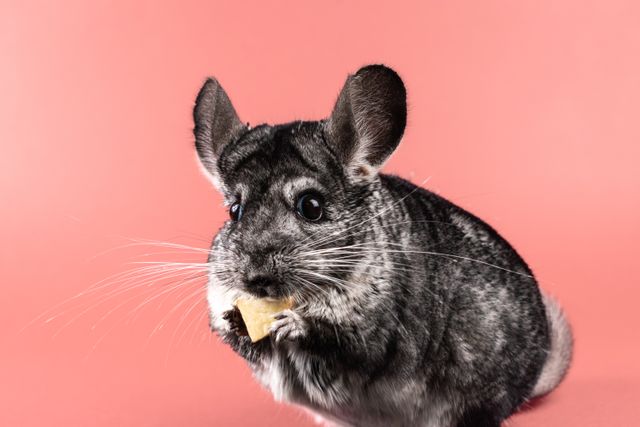
Chinchillas are adorable rodents with incredibly soft fur and playful personalities. These nocturnal creatures are known for their dust baths, acrobatic abilities, and long lifespan compared to other small pets.
Why Chinchillas Make Wonderful Pets
Incredibly Soft Fur
Their dense velvet-like fur is the softest of any land animal, with 60 hairs per follicle. A true luxury to pet.
Long-Lived Companions
With proper care, chinchillas can live 15-20 years, making them a long-term commitment and beloved family member.
Playful and Active
Natural acrobats that love to jump, climb, and explore. Watching them bounce around is endlessly entertaining.
Clean and Odor-Free
Chinchillas are naturally clean animals with minimal odor. Their dust baths are fascinating to watch and maintain.
Pros
- Exceptionally long lifespan for a small pet, up to 20 years with proper care
- Incredibly soft and luxurious fur that is a joy to pet and interact with
- Clean animals with minimal odor compared to other rodents
- Playful and entertaining acrobatic behaviors, especially at dawn and dusk
- Generally healthy when provided with proper diet and temperature control
Cons
- Require temperature-controlled environment below 75F to prevent heatstroke
- Nocturnal and crepuscular, most active when you might be sleeping
- Need spacious multi-level cages for adequate exercise and jumping
- Dust baths create mess and require regular containment
- Specialized diet required with limited treats and no fresh produce
Care Requirements
What you need to know to keep your Chinchilla healthy and happy

Exercise
120 minutes daily
Chinchillas need plenty of out-of-cage playtime in a chin-proofed room. Provide ledges, platforms, and an exercise wheel with solid surface. They are most active during evening hours and love to jump and climb.

Grooming
2-3 times per week
Provide dust baths 2-3 times weekly using special chinchilla dust. Never bathe them in water as their dense fur will not dry properly. Spot clean only when necessary. Brush gently during shedding season.

Nutrition
Feed high-quality timothy hay-based pellets (1-2 tbsp daily) along with unlimited fresh timothy hay. Limit treats to dried fruits or rose hips sparingly. Always provide fresh water in a water bottle. Avoid nuts, seeds, and fresh vegetables.
Training Timeline
Settling In Period
Allow your chinchilla to adjust to their new environment without handling. Place the cage in a quiet area and establish a routine for feeding and cage cleaning.
Building Trust
Start offering treats from your hand through cage bars. Speak softly and move slowly. Let them approach you rather than reaching in suddenly.
Gentle Handling
Begin short handling sessions once your chinchilla is comfortable. Support their full body and never grab by the tail. Gradually increase duration as trust builds.
Bonded Companion
Your chinchilla should be comfortable being held and may come when called. Continue daily interaction and provide playtime outside the cage in a safe, chin-proofed area.
Health Information
Common health concerns and prevention tips for Chinchilla
Common Health Issues
- Heatstroke - chinchillas cannot regulate body temperature well in heat
- Dental problems from overgrown teeth requiring veterinary attention
- Gastrointestinal stasis from improper diet or stress
- Respiratory infections from dusty or damp environments
- Fur fungus or ringworm from poor hygiene or contaminated dust
Prevention Tips
- Maintain room temperature between 60-70F with good air circulation
- Provide unlimited hay and safe chew toys to wear down teeth naturally
- Use high-quality dust bath sand and replace it regularly
- Schedule annual vet checkups with an exotic animal specialist
- Watch for changes in eating, drinking, bathroom habits, or activity levels
Ready to Welcome a Chinchilla?
We've got everything you need to prepare for your new Chinchilla
Find Chinchilla Resources