
Fancy Mouse
The Intelligent Social Companion
Fancy Mice are remarkable small pets that surprise owners with their intelligence, curiosity, and engaging personalities. These tiny companions form strong bonds with their owners, learn tricks, and thrive in pairs or small groups, making them ideal for those seeking interactive and low-maintenance pets.
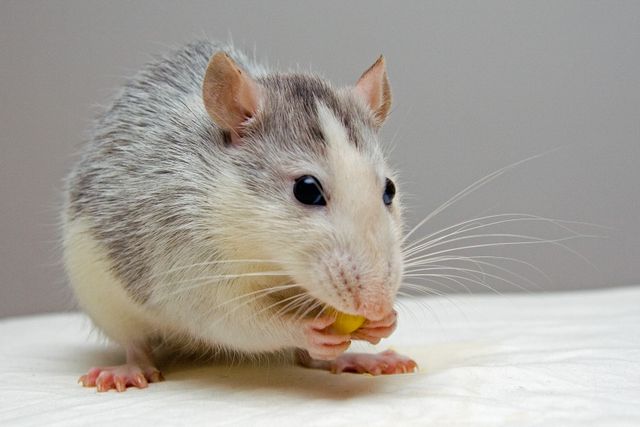
Why Fancy Mice Are Perfect for First-Time Owners
Highly Intelligent
Fancy mice can learn their names, come when called, and even perform tricks. Their problem-solving abilities and curiosity make them fascinating to interact with and train.
Social Animals
Mice thrive in pairs or small groups and enjoy grooming and sleeping together. Their social nature provides endless entertainment as they interact and communicate.
Adaptable Schedule
While most active at night, mice have frequent awake periods during the day. This flexibility allows for interaction at various times, fitting many lifestyles.
Amazing Variety
Available in countless colors, patterns, and coat types. From sleek solids to spotted, marked, and even long-haired varieties, there's a fancy mouse for every preference.
Pros
- Highly intelligent and can learn tricks with positive reinforcement
- Social animals that enjoy living with same-sex companions
- Low space requirements and minimal housing costs
- Clean animals that groom themselves regularly
- Engaging personalities and fun to watch interact
Cons
- Very short lifespan of only 1.5-2.5 years
- Nocturnal activity may disturb light sleepers
- Require secure housing as they can escape through tiny openings
- Produced a distinct musky odor, especially in males
- Fast movements may startle inexperienced handlers
Care Requirements
What you need to know to keep your Fancy Mouse healthy and happy

Exercise
30 minutes daily
Provide an exercise wheel with a solid surface for running. Create a stimulating cage with tunnels, climbing structures, and chew toys. Offer supervised out-of-cage exploration in a mouse-proofed area daily.

Grooming
Weekly cleaning
Spot clean soiled areas daily. Perform full cage cleaning weekly with mouse-safe disinfectant. Fancy mice are self-grooming and rarely need brushing. Check nails monthly and trim if needed.

Nutrition
Feed a high-quality lab block or mouse mix as the staple diet. Provide 1 teaspoon per mouse daily. Supplement with small amounts of fresh vegetables, fruits, and protein treats like mealworms or cooked chicken once weekly.
Training Timeline
Adjustment Time
Give your new mice 3-4 days to adjust without handling. Place your hand in the cage with treats and let them approach voluntarily. Speak softly to help them learn your voice.
Treat Bonding
Offer treats from your palm and let them climb onto your hand voluntarily. Begin gently scooping them up once they're comfortable taking treats. Keep sessions short and positive.
Handling & Training
Practice regular handling sessions of 5-10 minutes. Start simple training like teaching them to come when called using treats. Always be gentle and support their entire body.
Trusted Friends
Your mice should eagerly greet you and climb onto your hand. Many will learn tricks and enjoy interaction. Continue daily bonding and provide novel enrichment items.
Health Information
Common health concerns and prevention tips for Fancy Mouse
Common Health Issues
- Respiratory infections from poor ventilation or dusty bedding
- Tumors, especially mammary tumors in females
- Skin parasites like mites and lice
- Dental problems from improper diet or lack of chewing
- Diarrhea from too many fresh foods or sudden diet changes
Prevention Tips
- Use dust-free paper-based bedding and avoid pine or cedar shavings
- Provide excellent ventilation and avoid placing cage in drafty areas
- Maintain a balanced diet with limited treats to prevent obesity
- Quarantine new mice before introducing to existing groups
- Clean cage regularly but maintain some familiar scent for security
Ready to Meet Your Fancy Mouse?
We've got everything you need to prepare for your new Fancy Mouse
Find Fancy Mice Near You