
Flemish Giant Rabbit
The Gentle Giants of the Rabbit World
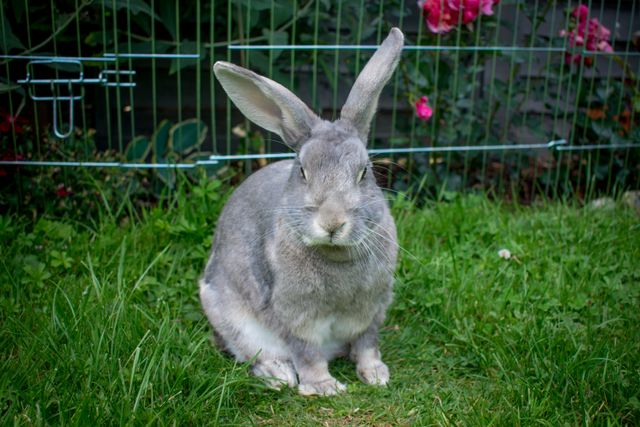
Flemish Giant rabbits are the largest rabbit breed, weighing up to 20 pounds or more. Despite their imposing size, these docile, affectionate creatures are known as the gentle giants of the pet world and make wonderful house rabbits.
Why Flemish Giants Are Amazing Pets
Impressive Size
Weighing up to 20+ pounds, these rabbits are literally the size of small dogs. Their massive size makes them truly unique and impressive companions.
Gentle Temperament
True to their gentle giant nickname, they are calm, docile, and patient. Even their large size does not prevent them from being wonderful with children.
House Rabbit Friendly
Flemish Giants can be litter box trained and make excellent house rabbits. Many roam freely like dogs or cats, following their owners around.
Affectionate Personalities
Despite their size, they love attention, petting, and even being held when properly supported. They bond deeply with their families.
Pros
- Large size makes them easier to handle and less fragile than smaller rabbits
- Calm and docile temperament perfect for families with children
- Can be litter box trained and kept as house rabbits successfully
- Long lifespan of 5-10 years with proper care
- Affectionate and social animals that enjoy human companionship
Cons
- Require very large enclosures or free-roam space due to their massive size
- Produce significant waste requiring frequent cleaning and litter maintenance
- Higher food costs due to large size and hay consumption
- Need regular handling from a young age to remain comfortable with being picked up
- Prone to obesity and joint issues if not provided with adequate exercise
Care Requirements
What you need to know to keep your Flemish Giant Rabbit healthy and happy

Exercise
180 minutes daily
Flemish Giants need several hours of exercise daily in a rabbit-proofed area or secure outdoor run. They should have space to run, hop, and binky. Provide tunnels, cardboard castles, and toys. As house rabbits, they roam freely but still need supervised activity.

Grooming
Weekly
Brush weekly using a soft brush or grooming mitt. During shedding seasons (spring and fall), daily brushing helps prevent wool block from ingested fur. Trim nails monthly. Check ears weekly for debris. Spot clean only when necessary and never bathe unless medically required.

Nutrition
Provide unlimited fresh hay (timothy, orchard, or meadow) comprising 80% of diet. Offer 1/4 to 1/2 cup of quality pellets per 5 pounds of body weight daily. Provide 2-4 cups of fresh leafy greens and vegetables daily. Limit treats to small pieces of fruit. Always provide fresh water.
Training Timeline
Home Acclimation
Set up your Flemish Giant living space and allow them to adjust. Keep the environment calm and predictable. If keeping as a house rabbit, begin litter box training immediately with a large, shallow litter box.
Building Trust
Sit on the floor at your rabbit level and offer treats by hand. Let them approach and investigate you. Begin gentle petting sessions while they eat treats. Always support their large body properly when lifting.
Handling Training
Practice picking up your rabbit with proper support under the chest and hindquarters. Keep sessions short and positive. If they struggle, set them down gently and try again later. Never lift by the ears or scruff.
Socialized Companion
Your Flemish Giant should be comfortable with handling and may seek attention. Continue daily interaction, supervised exploration, and maintain the litter box routine. They may follow you around the house like a small dog.
Health Information
Common health concerns and prevention tips for Flemish Giant Rabbit
Common Health Issues
- GI stasis - a deadly condition where the digestive system shuts down
- Sore hocks from wire flooring or hard surfaces
- Dental malocclusion causing overgrown teeth and eating difficulties
- Obesity from lack of exercise and overfeeding pellets and treats
- Respiratory infections from poor ventilation or ammonia buildup
Prevention Tips
- Provide unlimited hay and exercise to maintain healthy digestive function
- Use soft, supportive flooring and avoid wire cage bottoms
- Offer safe chew toys and monitor eating habits for dental issues
- Limit pellets and treats while providing ample exercise opportunities
- Clean litter area daily and ensure proper cage ventilation
Ready for a Gentle Giant?
We've got everything you need to prepare for your new Flemish Giant Rabbit
Find Flemish Giant Rabbit Resources