
Flying Squirrel
The Gliding Night Adventurer
Flying Squirrels are enchanting small mammals capable of gliding through the air using membrane flaps between their legs. These nocturnal social animals form incredibly strong bonds with their owners and can become remarkably affectionate pocket pets when hand-raised.
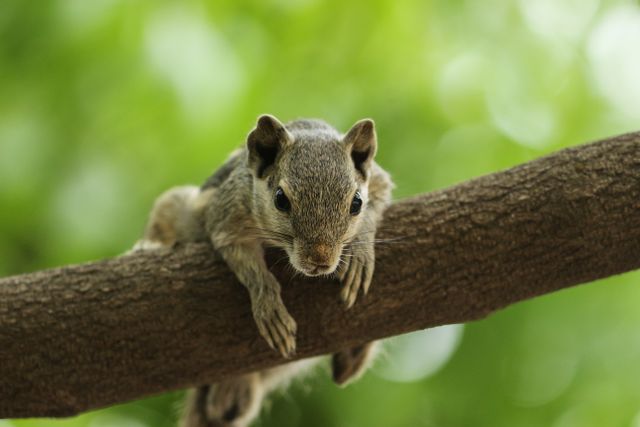
Why Flying Squirrels Make Wonderful Pets
Friendly Nature
Flying Squirrels have wonderful temperaments that make them great companions for dedicated owners.
Manageable Size
At Small (2-5 oz), they fit well into most living situations with proper housing.
Unique Appearance
Their distinctive look makes them stand out among small pet breeds.
Social Companions
They enjoy interaction and bond well with their human families.
Pros
- Distinctive attractive appearance
- Social personality appeals to many owners
- Manageable size for most living situations
- Can bond closely with dedicated owners
- Interesting behaviors fun to observe
Cons
- Require proper housing and space commitment
- Need regular veterinary care from exotic vet
- May require specialized diet components
- Temperature sensitivity in some environments
- Need daily interaction and socialization
Care Requirements
What you need to know to keep your Flying Squirrel healthy and happy

Exercise
30 minutes daily
Flying Squirrels need daily exercise outside their enclosure in a safe supervised area. Provide enrichment activities and exploration opportunities.

Grooming
Weekly
Regular grooming appropriate for their coat type. Check nails, ears, and teeth regularly. Maintain clean living environment.

Nutrition
Feed a species-appropriate diet with the proper balance of nutrients. Fresh water should always be available. Consult an exotic vet for specific dietary requirements.
Training Timeline
Settling In
Allow your Flying Squirrel to acclimate to their new home. Provide quiet time with fresh food and water.
Trust Building
Begin gentle handling sessions. Offer treats by hand to build positive associations.
Socialization
Increase handling duration and introduce to family members. Begin establishing daily routines.
Bonded Companion
Your Flying Squirrel should be comfortable with regular handling and enjoy interactive time with the family.
Health Information
Common health concerns and prevention tips for Flying Squirrel
Common Health Issues
- Dental problems from improper diet
- Gastrointestinal issues
- Respiratory infections
- Skin conditions and parasites
- Obesity from overfeeding
Prevention Tips
- Provide proper species-appropriate diet
- Schedule regular exotic vet checkups
- Maintain clean dry living environment
- Monitor weight and adjust diet accordingly
- Ensure adequate exercise and enrichment
Ready for a Flying Squirrel?
We've got everything you need to prepare for your new Flying Squirrel
Find Flying Squirrels Near You