
Holland Lop Rabbit
The Adorable Floppy-Eared Companion
Holland Lop Rabbits are one of the most popular small rabbit breeds, cherished for their distinctive floppy ears and compact size. These gentle, affectionate rabbits form strong bonds with their owners and thrive on human interaction.
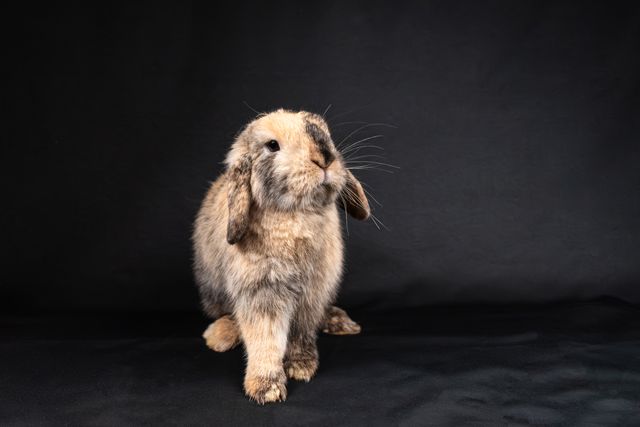
Why Holland Lops Are Perfect for First-Time Owners
Affectionate Nature
These rabbits genuinely enjoy human company and will often seek out attention. They can be litter trained and become wonderful indoor companions.
Compact Size
At just 2-4 pounds, Holland Lops are perfect for smaller living spaces. Their small size makes them easy to handle for adults and supervised children.
Gentle Temperament
Known for their calm and friendly disposition. Holland Lops rarely bite and are generally patient with handling when properly socialized.
Playful Personality
Despite their relaxed appearance, Holland Lops have a playful side. They enjoy toys, exploring, and interactive playtime with their owners.
Pros
- Small and compact size perfect for apartment living
- Affectionate and bonds closely with their owners
- Generally quiet pets, suitable for noise-sensitive households
- Can be litter trained for indoor living
- Adorable appearance with distinctive floppy ears
Cons
- Require daily out-of-cage exercise and social interaction
- Prone to dental issues requiring regular veterinary care
- Sensitive to extreme temperatures and require climate control
- Can be shy and need patience when building trust
- Weekly grooming needed, especially during shedding seasons
Care Requirements
What you need to know to keep your Holland Lop Rabbit healthy and happy

Exercise
45 minutes daily
Holland Lops need at least 3-4 hours of exercise time outside their cage daily. Provide a bunny-proofed space for hopping, exploring, and playing. Supply tunnels, cardboard boxes, and chew toys for mental enrichment and activity.

Grooming
Weekly, daily during shedding
Brush their coat weekly to prevent matting and reduce hairballs. During shedding seasons (spring and fall), daily brushing is necessary. Trim nails every 4-6 weeks and check ears regularly for cleanliness.

Nutrition
A diet primarily of unlimited grass hay (timothy, orchard) should make up 80% of their intake. Provide 1/4 cup of quality pellets per 5 lbs of body weight daily. Offer fresh leafy greens daily and limited treats like carrots or fruits.
Training Timeline
Acclimation Period
Allow your Holland Lop to settle into their new environment without excessive handling. Speak softly, offer treats from your hand, and let them explore their space at their own pace.
Building Trust
Begin gentle handling sessions, gradually increasing duration. Start litter training by placing a hay-filled litter box in their preferred corner. Offer treats and praise for positive interactions.
Socialization
Introduce your rabbit to new experiences, sounds, and people. Continue reinforcing litter box habits and encourage interactive play with toys. Establish a routine for feeding and exercise time.
Bonded Companion
Your Holland Lop should be comfortable with handling and seek out your company. Maintain regular interaction, provide new enrichment activities, and enjoy your well-socialized rabbit companion.
Health Information
Common health concerns and prevention tips for Holland Lop Rabbit
Common Health Issues
- Dental malocclusion - overgrown teeth requiring veterinary trimming
- Gastrointestinal stasis - potentially life-threatening digestive slowdown
- Ear infections due to their floppy ear structure
- Pododermatitis - sore hocks from wire flooring or poor hygiene
- Respiratory infections from poor ventilation or bedding
Prevention Tips
- Provide unlimited hay to promote natural tooth wear and digestive health
- Schedule annual vet checkups with an exotic animal veterinarian
- Keep living space clean with absorbent, dust-free bedding
- Monitor eating, drinking, and bathroom habits daily for changes
- Maintain consistent temperatures between 60-70 degrees Fahrenheit
Ready to Meet Your Holland Lop?
We've got everything you need to prepare for your new Holland Lop Rabbit
Find Holland Lop Rabbits Near You