
Mini Lop Rabbit
The Gentle Hoppy Companion
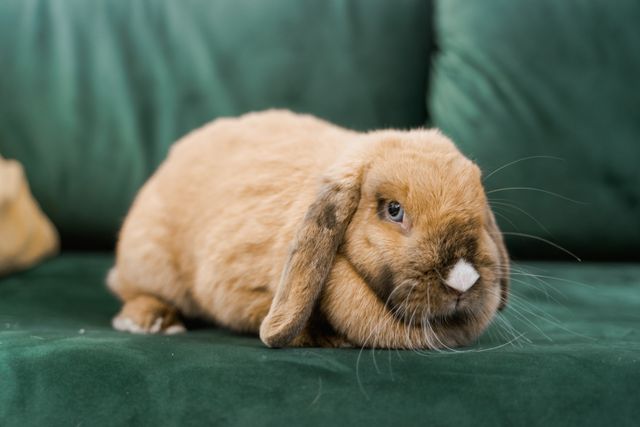
Mini Lop Rabbits are beloved for their adorable floppy ears and friendly personalities. These compact rabbits combine the charm of lop-eared breeds with a manageable size, making them wonderful companions for families and first-time rabbit owners.
Why Mini Lop Rabbits Are Perfect for First-Time Owners
Affectionate Nature
Mini Lops form strong bonds with their owners and enjoy being petted and held. They often greet their humans with happy hops and chin rubs.
Adaptable Housing
They thrive in various living situations from spacious indoor cages to free-roam with proper bunny-proofing. Their smaller size makes them more manageable than larger breeds.
Beautiful Variety
Available in numerous colors including broken pattern, solid, and shaded varieties. Their floppy ears and compact bodies make them irresistibly cute.
Social Personality
These rabbits genuinely enjoy human interaction and can be quite playful. Many learn to come when called and even do simple tricks.
Pros
- Friendly and affectionate temperament with proper socialization
- Manageable size compared to larger rabbit breeds
- Beautiful appearance with adorable floppy ears
- Can be litter box trained with patience
- Longer lifespan than many small pets at 8-12 years
Cons
- Require daily exercise and enrichment outside their cage
- Need regular grooming to prevent matting, especially during shedding
- Can be destructive if not properly bunny-proofed
- Sensitive to high temperatures and heat stress
- Require specialized veterinary care from exotic animal vets
Care Requirements
What you need to know to keep your Mini Lop Rabbit healthy and happy

Exercise
120 minutes daily
Provide at least 2 hours of exercise time daily in a bunny-proofed area. Set up tunnels, cardboard boxes, and chew toys for enrichment. Many Mini Lops enjoy exploring and jumping over small obstacles.

Grooming
Weekly brushing
Brush 2-3 times weekly during shedding seasons, otherwise weekly. Trim nails every 4-6 weeks. Spot clean litter box daily, deep clean cage weekly. Check ears regularly for signs of infection.

Nutrition
Feed unlimited high-quality grass hay as the staple diet. Provide 1/4 cup of timothy-based pellets per 5 lbs body weight daily. Offer 1-2 cups of leafy greens daily. Limit treats to small pieces of fruit or carrots occasionally.
Training Timeline
Settling In Period
Give your new Mini Lop a full week to adjust to their new environment without forced handling. Sit near their enclosure and speak softly to build trust through your presence.
Building Trust
Begin offering treats through the cage bars and eventually from your hand. Allow them to approach you voluntarily. Start with short petting sessions while they eat treats.
Handling Introduction
Practice gently lifting and holding your rabbit for brief periods. Support their hindquarters securely and never pick them up by their ears or scruff. Keep sessions positive and short.
Bonded Companion
Your Mini Lop should be comfortable with handling and seek interaction. Many will learn their name and come when called. Continue daily bonding time and introduce new experiences gradually.
Health Information
Common health concerns and prevention tips for Mini Lop Rabbit
Common Health Issues
- GI stasis - potentially life-threatening slowdown of digestive system
- Dental malocclusion - overgrown teeth causing pain and eating issues
- Ear infections due to their lop ear structure
- Snuffles (pasteurellosis) - respiratory infection
- Fly strike in warm weather, especially for outdoor rabbits
Prevention Tips
- Provide unlimited hay to maintain digestive health and wear down teeth
- Keep living environment clean and well-ventilated to prevent respiratory issues
- Check ears regularly for signs of infection or mites
- Monitor droppings daily for changes indicating digestive problems
- Maintain consistent temperature below 75 degrees Fahrenheit
Ready to Meet Your Mini Lop Rabbit?
We've got everything you need to prepare for your new Mini Lop Rabbit
Find Mini Lop Rabbits Near You