
Netherland Dwarf Rabbit
The Tiny Charm with Big Personality
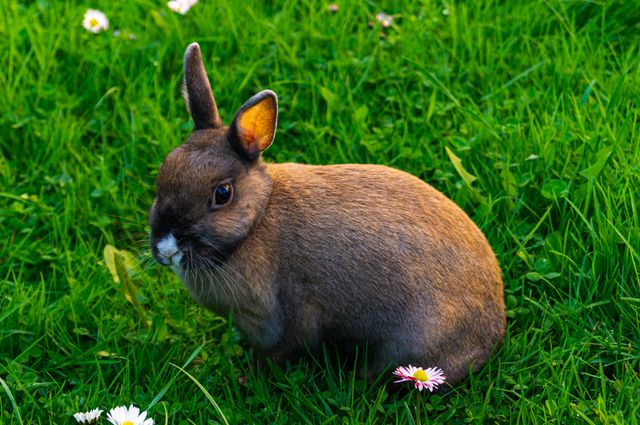
Netherland Dwarf Rabbits are one of the smallest rabbit breeds, weighing just 2-2.5 pounds. Despite their diminutive size, they are known for their energetic, playful personalities and distinctive round faces with short, perky ears.
Why Netherland Dwarfs Are Perfect for First-Time Owners
Energetic Personality
Despite their tiny size, these rabbits are full of energy and curiosity. They love to explore, play, and entertain with their binky jumps and zooms around the room.
Compact Size
At just 1.5-2.5 pounds, Netherland Dwarfs are perfect for small spaces. Their diminutive size makes them adorable and easier to accommodate in apartments.
Distinctive Appearance
Known for their round faces, large eyes, and tiny ears. Available in numerous colors and patterns, each rabbit has unique and charming features.
Hardy Breed
Generally healthy with fewer genetic issues than some other dwarf breeds. With proper care, they can live 10-12 years, providing long-term companionship.
Pros
- Extremely small and perfect for limited living spaces
- Long lifespan of 10-12 years with proper care
- Energetic and entertaining to watch play
- Available in many beautiful colors and patterns
- Hardy breed with generally good health
Cons
- Can be skittish and may nip when frightened
- High energy requires plenty of exercise and enrichment
- Not recommended for young children due to fragility
- May be more independent and less cuddly than larger breeds
- Prone to dental issues requiring regular vet care
Care Requirements
What you need to know to keep your Netherland Dwarf Rabbit healthy and happy

Exercise
60 minutes daily
Netherland Dwarfs need at least 3-4 hours of exercise time outside their cage daily. Provide a bunny-proofed space for running, jumping, and exploring. Supply tunnels, cardboard castles, and chew toys to channel their abundant energy.

Grooming
Weekly
Brush their dense coat weekly to prevent matting. During shedding seasons, daily brushing may be needed. Trim nails every 4-6 weeks and check ears regularly. Their small size requires gentle handling during grooming.

Nutrition
Provide unlimited grass hay (timothy or orchard) as the diet foundation. Offer just 1/8 cup of quality pellets daily due to their small size. Provide a small amount of fresh greens daily and limit treats to prevent obesity.
Training Timeline
Settling Period
Allow your Netherland Dwarf to acclimate to their new environment with minimal handling. Sit near their enclosure and speak softly. Let them approach you on their terms.
Trust Building
Offer treats from your hand and begin gentle petting if they approach willingly. Start litter training by placing a hay-filled litter box in their preferred bathroom corner.
Socialization
Gradually increase handling time, always supporting their entire body. Introduce new experiences slowly to build confidence. Provide varied enrichment to satisfy their curiosity.
Confident Companion
With patience, your Netherland Dwarf should be comfortable with handling and may greet you eagerly. Respect their independent nature while enjoying their playful companionship.
Health Information
Common health concerns and prevention tips for Netherland Dwarf Rabbit
Common Health Issues
- Dental malocclusion - overgrown teeth common in dwarf breeds
- Gastrointestinal stasis - dangerous digestive slowdown
- Ear mites and ear infections due to small ear canals
- Injuries from being dropped or handled roughly
- Obesity from overfeeding pellets and treats
Prevention Tips
- Provide unlimited hay to maintain proper dental health naturally
- Find an exotic animal veterinarian experienced with rabbit care
- Handle extremely carefully due to their small and fragile frame
- Monitor weight closely and adjust pellet portions accordingly
- Maintain consistent temperatures between 60-70 degrees Fahrenheit
Ready to Meet Your Netherland Dwarf?
We've got everything you need to prepare for your new Netherland Dwarf Rabbit
Find Netherland Dwarf Rabbits Near You