
Winter White Hamster
The Seasonal Color-Changing Wonder
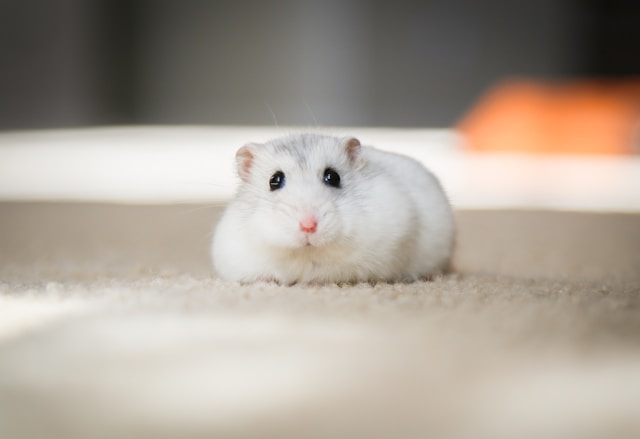
Winter White Hamsters, also known as Djungarian Hamsters, are one of the five dwarf hamster species. Named for their remarkable ability to change coat color in winter, these small, social hamsters have captured hearts worldwide with their adorable appearance and engaging personalities.
Why Winter White Hamsters Are Special
Winter Coat Change
In the wild, their coat transforms to white during winter months for camouflage. In captivity, shorter daylight hours can trigger this remarkable color change, revealing their natural adaptation.
Social Pairs
Unlike Syrians, these dwarf hamsters can live in same-sex pairs or small groups when introduced young. They sleep together, groom each other, and communicate through adorable squeaks.
Full of Energy
Incredibly active and fast, these little athletes love running on wheels, exploring tunnels, and climbing. Their energetic antics provide endless entertainment for observers.
Compact Size
Their small size makes them perfect for limited space requirements. However, their speed and agility mean they need secure enclosures and careful handling to prevent escape.
Pros
- Can live in pairs or small groups unlike Syrian hamsters
- Remarkable seasonal coat color change ability
- Small size requires less space than larger hamsters
- Active and entertaining to watch
- Come in various colors including sapphire and pearl patterns
Cons
- Small and fast - can be challenging to handle
- May fight even when previously bonded
- Nocturnal and crepuscular activity patterns
- Require careful introductions for cage mates
- Short lifespan of only 2-3 years
Care Requirements
What you need to know to keep your Winter White Hamster healthy and happy

Exercise
30 minutes daily
Provide a wheel with solid surface (at least 6-8 inches) for nightly running. Offer supervised out-of-cage exploration in a hamster-proofed area. Supply deep bedding for burrowing, tunnels, hideouts, and chew toys.

Grooming
Monthly checks
Winter whites are self-grooming and need minimal grooming. Spot clean wet areas daily, perform full cage cleaning weekly. Check teeth and nails monthly. Their coat may change color seasonally with daylight patterns.

Nutrition
Feed a high-quality dwarf hamster food mix with seeds, grains, and pellets. Provide 1-2 tablespoons daily. Supplement with small amounts of fresh vegetables and occasional protein treats like mealworms. Avoid sugary fruits. Always provide fresh water.
Training Timeline
Settling In
Give your new hamsters 2-3 days to adjust to their new home. Place your hand near them and speak softly. If a pair, observe their interactions to ensure they are bonding properly.
First Contact
Begin offering treats from your hand. Once they take treats confidently, try gently scooping them up with cupped hands. Be prepared for their speed - move slowly and deliberately. Keep sessions short.
Building Confidence
Gradually increase handling time to 5-10 minutes daily. Practice gentle handling and let them explore your hands. Always approach from below and never grab from above. Be patient with their speedy nature.
Trusted Companions
Your hamsters should be comfortable being handled. They will come to you willingly and enjoy interaction. Continue regular handling, monitor pair relationships, and provide varied enrichment to keep them happy.
Health Information
Common health concerns and prevention tips for Winter White Hamster
Common Health Issues
- Diabetes - more common in dwarf hamsters than Syrians
- Respiratory infections from poor cage ventilation
- Wet tail - stress-induced bacterial diarrhea
- Fighting injuries between cage mates
- Dental problems from insufficient chewing materials
Prevention Tips
- Use dust-free paper-based bedding and avoid pine or cedar
- Provide multiple hideouts to prevent resource guarding
- Monitor cage mate relationships for signs of fighting
- Maintain consistent temperature between 65-75 degrees Fahrenheit
- Provide appropriate chew toys for dental health
Ready to Meet Winter Whites?
We've got everything you need to prepare for your new Winter White Hamster
Find Winter White Hamsters Near You