
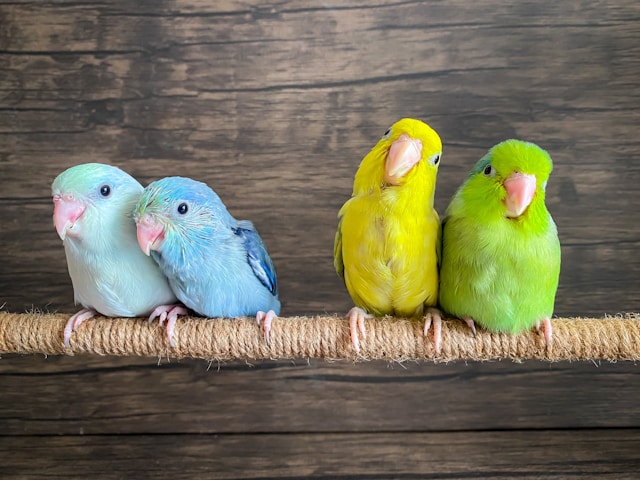
Proper socialization is essential for raising a well-adjusted, confident pet bird. A well-socialized bird is comfortable with various people, situations, and experiences, leading to a happier life for both the bird and their owner. This guide covers everything you need to know about socializing your feathered friend.
Understanding Bird Socialization
What Is Socialization?
Socialization is the process of exposing your bird to positive experiences with various people, objects, sounds, and situations. This helps them develop confidence and reduces fear-based behaviors. The socialization period is crucial for young birds but continues throughout their lives.
Why Socialization Matters
Well-socialized birds are:
- Less likely to develop behavioral problems such as screaming or biting
- More comfortable with veterinary care
- Adaptable to new situations and environments
- Better able to bond with multiple family members
- Generally happier and less stressed
The Critical Socialization Period
Baby Bird Development
The hand-rearing and weaning period (typically 8-16 weeks) is the prime socialization window for parrots. During this time, birds are naturally curious and more accepting of new experiences. Experiences during this period can have lifelong effects on their personality.
Adult Bird Socialization
Adult birds can continue socialization throughout their lives. While progress may be slower and require more patience, older birds can learn to accept new experiences with proper training and positive associations. Never assume an older bird cannot become more socialized.
Handling Socialization
Step-Up Training Foundation
The step-up command is the foundation of handling:
- Approach your bird calmly from the front
- Place your finger or hand against their lower abdomen, just above the feet
- Apply gentle pressure and say “step up”
- When they step onto your hand, reward immediately
- Practice until the response is automatic
This essential skill enables safe handling and should be practiced regularly.
Building Trust Through Touch
Gradually introduce touch in areas your bird accepts:
- Head scratches (most birds enjoy this)
- Beak rubbing
- Neck strokes
- Wing handling (important for veterinary exams)
- Feet touching
Always read your bird body language and stop before they become uncomfortable. Pushing past comfort zones damages trust.
Handling Multiple People
Encourage all trusted family members to handle the bird regularly:
- Start with the person the bird trusts most
- Have others offer treats from their hand
- Gradually progress to step-up with different people
- Ensure all handlers use consistent, gentle techniques
- Never force interaction if the bird is reluctant
Environmental Socialization
Household Sounds
Introduce your bird to common household sounds gradually:
- Television and music at normal volumes
- Vacuum cleaners (start from a distance)
- Kitchen appliances
- Doorbells and phones
- Family conversations
Start with quieter versions and increase volume gradually as your bird becomes comfortable.
Objects and Toys
Introduce various objects to build confidence:
- Different types of toys (wood, plastic, rope, bells)
- Household items (spoons, cups, paper)
- New perches of different materials and textures
- Foraging toys that require problem-solving
Always introduce new items at a distance where your bird shows curiosity rather than fear.
Room Exposure
Allow your bird to become comfortable in different rooms:
- Start with the room where their cage is located
- Gradually introduce other safe, bird-proofed rooms
- Provide perching spots in each area
- Supervise all exploration time
- Never leave your bird unsupervised outside their cage
Meeting New People
Introduction Protocol
When introducing your bird to new people:
- Have the visitor sit quietly and ignore the bird initially
- Allow the bird to approach at their own pace
- Have the visitor offer a favorite treat through cage bars initially
- Gradually progress to closer interactions
- Never let visitors force handling
Children and Birds
Supervise all interactions between children and birds:
- Teach children to approach calmly and quietly
- Demonstrate proper handling techniques
- Set time limits for interaction to prevent overstimulation
- Never leave children and birds unsupervised
- Teach children to respect bird body language
Other Pets
Most birds should not interact directly with other pets due to safety concerns:
- Never leave birds and predatory animals (cats, dogs) unsupervised
- Even well-behaved pets can trigger instinctual responses
- Keep birds in separate rooms when possible
- If introduction is necessary, proceed gradually and always supervise
Addressing Fear Responses
Reading Body Language
Understand fear signals:
- Feather flattening: Fear or submission
- Tail fanning: May indicate fear or aggression
- Hissing or growling: Clear sign to back away
- Trying to flee: Give your bird space immediately
- Freezing: Assess the situation and provide space
Desensitization Techniques
For fears that cannot be avoided:
- Expose your bird to the feared stimulus at a very low intensity
- Gradually increase exposure as comfort increases
- Pair the exposure with high-value rewards
- Never force confrontation with fears
- Progress may be very slow and that is acceptable
Building Confidence
Help fearful birds become more confident:
- Set up situations where your bird can succeed
- Celebrate small victories enthusiastically
- Keep sessions short and positive
- Never punish fear-based responses
- Allow your bird to set the pace
Routine Veterinary Socialization
Preparing for Vet Visits
Make veterinary experiences less stressful:
- Practice handling in ways similar to vet exams
- Travel regularly in a carrier (even short trips)
- Offer rewards for calm behavior during handling
- Towel training (gentle wrapping in a towel)
- Find an avian veterinarian experienced with behavioral concerns
Carrier Training
Teach your bird to enter their carrier willingly:
- Place favorite treats inside the carrier
- Feed meals in the carrier with the door open
- Gradually close the door for short periods
- Practice short car trips that end with rewards
- Make the carrier a comfortable, familiar space
Maintaining Socialization
Ongoing Exposure
Socialization is not a one-time process:
- Continue introducing new experiences throughout your bird life
- Regularly practice handling and training
- Maintain exposure to various people and situations
- Rotate toys and introduce new items regularly
- Keep experiences positive to prevent backsliding
Preventing Reversion
If your bird becomes less social over time:
- Return to basics with short, positive sessions
- Increase the frequency of socialization activities
- Rule out medical causes for behavior changes
- Consider life changes that may have affected your bird
- Consult an avian behaviorist if problems persist
Special Considerations
Rehomed Birds
Birds who have been rehomed may need extensive socialization:
- Proceed very slowly and respect past trauma
- Allow the bird to set the pace
- Work on building trust before expecting handling
- Understand that some birds may never become fully comfortable with all aspects of socialization
Species Differences
Different species have varying social needs:
- Flock species (cockatiels, budgies): Generally more social and benefit from companions
- Pair bond species (African Greys, cockatoos): Often form intense bonds with one person
- Solitary species: May be less inclined to extensive socialization
Research your species specific needs and tailor socialization accordingly.
Seasonal Changes
Many birds become more territorial or hormonal during breeding season:
- Expect behavioral changes during these periods
- Adjust training expectations seasonally
- Continue gentle socialization but respect natural cycles
- Consult your veterinarian if behavioral changes are extreme
The Benefits of a Well-Socialized Bird
Investing time in socialization pays dividends throughout your bird life. A well-socialized bird is a pleasure to live with, more adaptable to change, and better able to receive necessary veterinary care. The bond you build through positive socialization experiences will create a rewarding relationship for decades to come.
Remember that socialization is an ongoing process, not a destination. Continue to provide positive experiences throughout your bird life, and you will enjoy the company of a confident, friendly companion.