
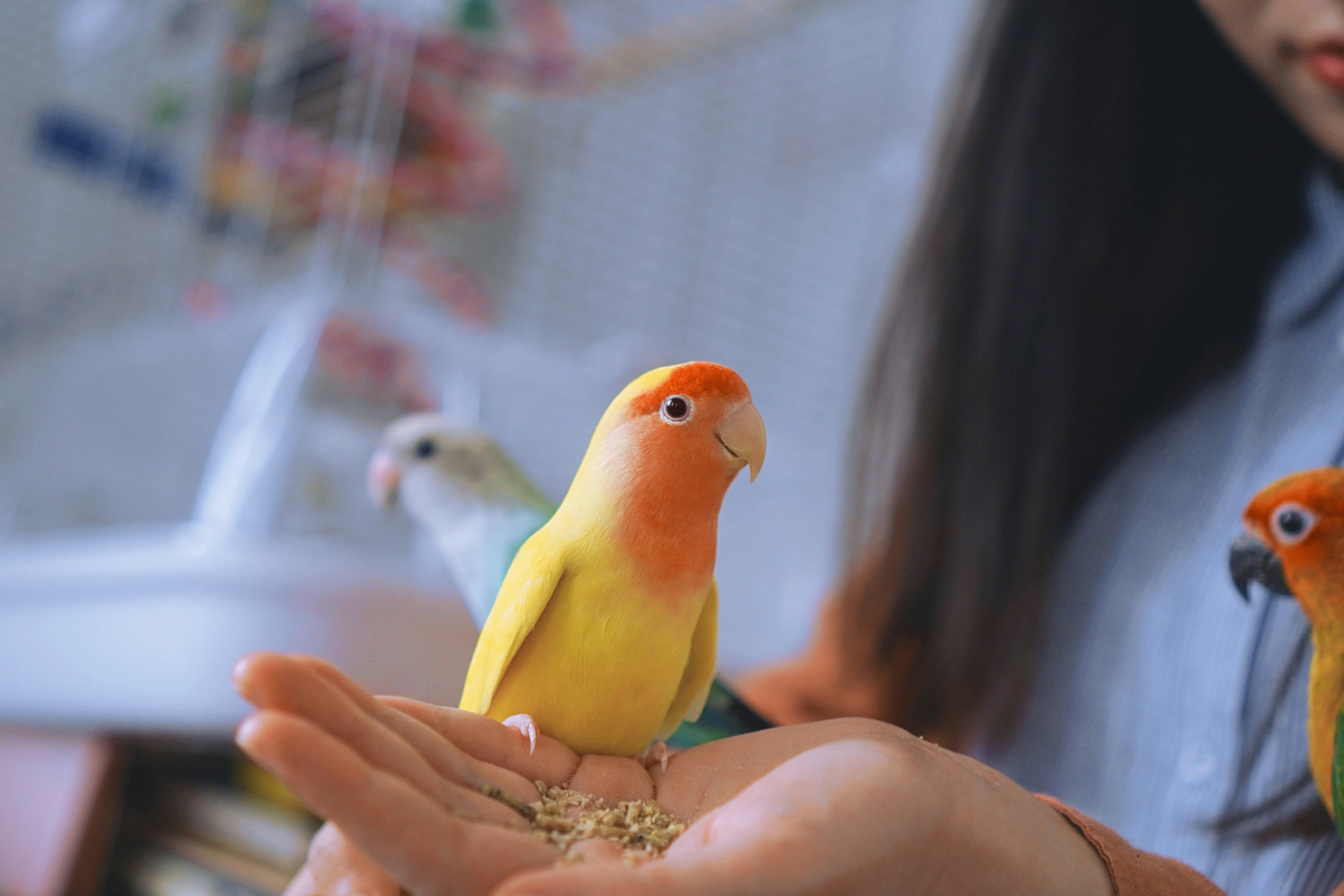
Teaching your bird to speak is one of the most rewarding aspects of bird ownership. While not all species have equal talking ability, most parrot species can learn to mimic human speech with proper training, patience, and consistency. Understanding your bird natural abilities and using proven training techniques will significantly improve your success.
Choosing the Right Bird for Speech Training
Best Talking Species
African Grey Parrots are widely considered the most talented talkers, with vocabularies potentially exceeding 1,000 words. They understand context and use words appropriately.
Amazon Parrots are excellent talkers known for clear, loud vocalizations. Yellow-naped and blue-fronted Amazons are particularly renowned for their speaking abilities.
Budgerigars (budgies) are surprisingly capable talkers despite their small size. The world record for largest bird vocabulary belongs to a budgie. Males typically learn faster than females.
Indian Ringneck Parakeets are clear, articulate talkers that can learn extensive vocabularies. They are highly motivated by social interaction.
Quaker Parakeets are energetic talkers with clear voices and a strong desire to communicate with their owners.
Species with Limited Talking Ability
Cockatiels, cockatoos, and conures can learn but typically have smaller vocabularies. Lovebirds and finches rarely develop speech beyond simple sounds.
Understanding When Birds Learn Best
Age Considerations
Young birds between 4-12 months old are in their prime learning period. However, birds can continue learning throughout their lives. Older birds may learn more slowly but can still acquire new words with patient training.
Gender Differences
In many species, males tend to be more vocal and learn speech more quickly. Female budgies, for example, rarely talk extensively. However, individual personality plays a significant role, and many females become excellent talkers.
Essential Training Equipment
Create a Training Environment
Choose a quiet room away from distractions. The training area should be where your bird feels comfortable and secure. Remove other pets, televisions, and sources of noise during training sessions.
Use consistent lighting. Many owners find that birds are more attentive in the morning when they are naturally most vocal.
Rewards System
Prepare high-value treats that your bird particularly enjoys. Millet, small seeds, nuts, or pieces of fruit work well for most species. Reserve these treats specifically for training to maintain their value.
Foundation Training Techniques
Start with Simple Words
Begin with single, simple words containing hard consonants. Words like “hello,” “step,” “peek-a-boo,” and the bird name are excellent starting points. These words contain clear sounds that birds can easily reproduce.
Say the word clearly and enthusiastically while maintaining eye contact with your bird. Repeat the word several times in succession, then offer a reward if your bird shows any attention or response.
Context-Based Teaching
Teach words in context for better retention. Say “hello” when entering the room, “goodnight” when covering the cage, or “good morning” when uncovering the cage. This helps your bird associate words with specific situations and their meanings.
The Modeling Method
This is the most effective technique for most birds. When your bird makes a sound that approximates a word, immediately reward and repeat the correct word clearly. Gradually shape their vocalizations toward the target word.
For example, if your bird makes a sound like “heh,” reward it and say “hello.” Over time, shape the sound toward the complete word.
Daily Training Routine
Short, Frequent Sessions
Training sessions should be 10-15 minutes, conducted 2-3 times daily. Birds have short attention spans, and longer sessions may become counterproductive. Morning sessions are often most productive as birds are naturally most vocal at this time.
Consistency is Key
Train at the same times each day to establish a routine. Birds thrive on predictability and will come to anticipate training sessions. Even on busy days, a few minutes of practice maintains momentum.
Progress Tracking
Keep a simple log of words your bird is learning, attempts made, and progress observed. This helps identify which techniques work best for your individual bird and maintains your motivation.
Advanced Speech Training
Building Vocabulary
Once your bird has mastered 3-5 words, begin teaching additional vocabulary. Introduce new words gradually while continuing to practice previously learned words to maintain their repertoire.
Teaching Phrases
After single words are mastered, move to simple phrases. “How are you?” “Want a treat?” and “Come here” are practical phrases that enhance communication. Use phrases in appropriate contexts to reinforce meaning.
Sentence Formation
Some advanced birds, particularly African Greys, can learn to form simple sentences. This requires extensive vocabulary and understanding of word associations. Always use phrases in proper context to support comprehension.
Troubleshooting Common Challenges
Bird Will Not Attempt to Talk
If your bird shows no interest in talking, try these approaches:
- Increase the value of rewards
- Ensure training sessions are fun and enthusiastic
- Use audio recordings of words when you are away
- Move the bird to a more social location in your home
- Train when the bird is naturally vocal (morning and evening)
Some birds simply may not be inclined to talk. Respect your bird individual personality and focus on other forms of communication and bonding.
Bird Learns Inappropriate Words
Birds are excellent mimics and may repeat words or sounds you prefer they did not learn. If this happens:
- Avoid reacting strongly to the unwanted words (attention reinforces behavior)
- Immediately redirect to appropriate words
- Be mindful of your language around your bird moving forward
- Replace inappropriate words by consistently rewarding alternative words
Plateau in Learning
If learning seems to stall:
- Take a break from formal training for a few days
- Return to previously mastered words to rebuild confidence
- Try a different time of day for training
- Change the reward type or training location
- Ensure your bird is healthy and unstressed
Beyond Speech: Other Communication
Body Language Understanding
Much of bird communication is non-verbal. Learn to read your bird body language:
- Head bobbing: Excitement or request for attention
- Feather fluffing: Contentment or temperature regulation
- Wing flipping: Boredom, stretching, or irritation
- Beak grinding: Contentment, often before sleep
- Tail fanning: Excitement, aggression, or fear
Whistling and Sounds
Many birds enjoy whistling and learn tunes more quickly than words. Whistling can be an excellent bridge to speech training and provides mental stimulation. Many birds also learn household sounds like doorbells, phone ringtones, and appliance beeps.
Health and Talking Ability
Veterinary Considerations
A bird who suddenly stops talking or becomes less vocal may be experiencing health issues. Schedule a veterinary examination if:
- Talking decreases suddenly
- Voice quality changes significantly
- The bird seems to strain when vocalizing
- Other behavioral or appetite changes occur
Environmental Factors
Ensure your bird receives adequate sleep (10-12 hours of darkness), proper nutrition, and regular exercise. A healthy, well-rested bird is more receptive to learning and more likely to vocalize.
Realistic Expectations
Not all birds will talk, and that is perfectly normal. The goal of speech training should be enhancing communication and bonding with your bird, not achieving a certain vocabulary. Celebrate each small success and enjoy the process of learning together.
Many bird owners find that their companions communicate through unique sounds, whistles, and behaviors that are just as meaningful as words. Focus on understanding and responding to your bird individual communication style.