
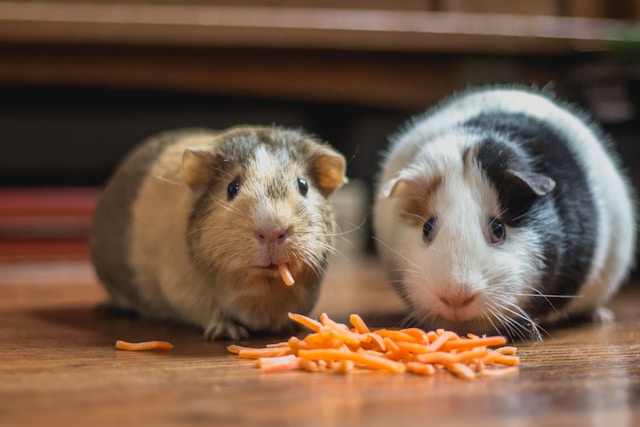
Proper handling is essential for guinea pig health and well-being. These gentle rodents can learn to enjoy human interaction with patience, consistency, and the right approach. This guide covers everything you need to know about handling your guinea pig safely and building a trusting relationship.
Understanding Guinea Pig Nature
Prey Animal Psychology
Guinea pigs are prey animals with instinctual fear responses. In the wild, they are preyed upon by larger animals, so their natural reaction to being picked up is often fear. Understanding this helps explain why proper, patient handling is so important.
Social Creatures
Guinea pigs are highly social animals that thrive on companionship. In the wild, they live in groups and communicate constantly. This social nature means they generally respond well to gentle, consistent interaction once they trust their human caregivers.
Pre-Handling Preparation
Creating a Safe Environment
Set up a secure space for handling:
- Use a small, enclosed area where your guinea pig cannot escape
- Sit on the floor with a soft towel or fleece blanket
- Remove other pets from the room
- Have treats ready for positive reinforcement
- Ensure the area is warm and free from drafts
Health Check Before Handling
Ensure your guinea pig is healthy before handling:
- Check for any signs of illness or injury
- Verify they are eating and drinking normally
- Watch for any limping or mobility issues
- Consult a veterinarian if you have any health concerns
Timing Matters
Choose the right time for handling:
- Wait until your guinea pig has been home for at least a week
- Choose times when they are awake and active
- Avoid waking a sleeping guinea pig for handling
- Work in short sessions, especially initially
Building Trust First
Step 1: Vocalization and Presence
Start by simply being near your guinea pig:
- Spend time near their cage speaking softly
- Use a gentle, calm voice consistently
- Sit quietly while they go about their activities
- Let them get used to your presence and voice
- Offer treats through the cage bars initially
Step 2: Hand Feeding
Progress to hand feeding:
- Offer favorite vegetables from your hand
- Hold treats still and let them approach
- Be patient—it may take several attempts
- Never grab or force interaction
- Celebrate small successes enthusiastically
Step 3: Gentle Touch
Introduce gentle contact:
- Pet them gently while they eat treats
- Stroke from head to tail in the direction of fur growth
- Avoid sensitive areas initially (feet, belly)
- Keep sessions short (2-3 minutes initially)
- Always end on a positive note
Proper Lifting Technique
The Two-Hand Scoop
The correct way to lift a guinea pig:
- Place one hand under their chest, behind the front legs
- Place your other hand under their hindquarters
- Scoop them up smoothly, supporting their entire body
- Bring them close to your chest for security
- Never lift by the scruff, legs, or tail
Supporting Their Weight
Guinea pigs feel more secure when properly supported:
- Keep one hand under their chest at all times
- Support their hindquarters with your other hand
- Hold them against your body for warmth and security
- Avoid letting their legs dangle unsupported
- Move slowly and smoothly to prevent startling
Lowering Safely
Putting your guinea pig down correctly:
- Bend at the knees rather than leaning forward
- Lower them gently to the ground
- Release them only when all four feet are on the surface
- Do not drop or let them jump from your arms
- Always lower them to a safe, enclosed area
Holding Positions
The Lap Hold
For calm, confident guinea pigs:
- Sit on the floor with a towel on your lap
- Place your guinea pig on your thighs
- Keep one hand lightly on their back
- Let them explore and settle
- Offer treats for calm behavior
The Chest Hold
For nervous or new guinea pigs:
- Hold them against your chest with both hands
- Support their chest and hindquarters
- Speak softly and reassuringly
- Keep them secure but not tight
- This position prevents falling and feels secure
The Towel Wrap
For very anxious or medical handling:
- Lay a towel flat and place your guinea pig in the center
- Wrap the sides gently around their body
- Leave their head exposed for breathing
- Provides a sense of security
- Useful for nail trimming or health checks
Building Handling Duration
Gradual Progression
Increase handling time slowly:
- Week 1: 2-3 minutes of gentle petting
- Week 2: 5 minutes of holding while sitting
- Week 3: 10 minutes including gentle movement
- Week 4: 15 minutes with exploration time
- Adjust based on your individual guinea pig comfort level
Reading Body Language
Understand what your guinea pig is communicating:
- Relaxed: Lying down, eating treats, eyes half-closed
- Alert: Standing, ears up, looking around (normal)
- Nervous: Freezing, teeth chattering, trying to hide
- Stressed: Loud squealing, struggling to escape, rapid breathing
- Aggressive: Raising hackles, teeth chattering, lunging
When to End Sessions
Stop handling if your guinea pig:
- Begins struggling persistently
- Stops eating treats
- Shows signs of stress (loud vocalizations, hiding)
- Has been out for more than 15-20 minutes
- Needs to use the bathroom (guinea pigs often need to go frequently)
Special Handling Situations
Children and Guinea Pigs
Teach children proper handling:
- Always supervise children with guinea pigs
- Teach children to sit on the floor while holding
- Show them how to support the guinea pig body
- Encourage gentle, quiet behavior
- Set time limits for young children
Health Check Handling
Use handling for health monitoring:
- Check eyes, ears, and nose regularly
- Feel for any lumps or bumps
- Monitor weight and body condition
- Check teeth and nail length
- Note any changes in behavior or appetite
Nail Trimming
Make nail maintenance easier:
- Practice handling feet regularly
- Offer treats during nail handling
- Trim just the tips, avoiding the quick
- Use proper guinea pig nail clippers
- Have styptic powder available in case of bleeding
Troubleshooting Challenges
The Fearful Guinea Pig
For very nervous individuals:
- Move more slowly with each step
- Spend more time on trust-building before lifting
- Use food as motivation consistently
- Consider wrapping in a towel initially
- Work in very short, positive sessions
The Squealer
Some guinea pig vocalize more than others:
- Understand that some vocalization is normal
- Distinguish between fear squeals and communicative sounds
- Remain calm and continue speaking softly
- Do not put them down immediately when they squeal
- Gradually increase handling duration
The Escape Artist
For guinea pigs who try to jump:
- Hold them more securely against your body
- Use a towel wrap for additional security
- Handle lower to the ground
- Practice in a small, enclosed space
- Build trust through very short, positive sessions
Multiple Guinea Pigs
Individual Attention
Each guinea pig needs individual handling:
- Handle each guinea pig separately
- Recognize individual personalities and preferences
- Some may be more confident than others
- Do not let size or personality differences mean one gets less attention
- Keep track of individual progress and comfort levels
Bonded Pairs
Respect established relationships:
- Handle bonded pairs separately to prevent jealousy
- Return them to each other after handling
- Watch for changes in hierarchy after handling
- Some guinea pigs may be more confident with their companion present
Advanced Handling
Trick Training
Once your guinea pig is comfortable:
- Teach them to come when called using treats
- Train them to stand or spin on command
- Use clicker training for clear communication
- Keep training sessions very short (2-3 minutes)
- Always end with success and rewards
Travel Handling
Prepare your guinea pig for travel:
- Practice carrier training before necessary trips
- Use a secure, well-ventilated carrier
- Include familiar bedding and a favorite toy
- Bring vegetables and water for longer trips
- Keep the carrier covered to reduce stress
Safety Guidelines
Never Do These Things
Avoid these dangerous practices:
- Never pick up by the scruff, legs, or tail
- Never drop or let your guinea pig jump from heights
- Never squeeze or hold too tightly
- Never chase your guinea pig to catch them
- Never leave children unsupervised with guinea pigs
Creating Positive Associations
Make handling enjoyable:
- Always associate handling with treats
- Speak in calm, reassuring tones
- Keep sessions short and positive
- End before your guinea pig becomes stressed
- Celebrate progress enthusiastically
Remember that building trust takes time. Some guinea pigs will become confident handlers quickly, while others need weeks or months of gentle, patient interaction. Respect your guinea pig individual personality and work at their pace. With consistent, positive handling, most guinea pigs learn to enjoy and even seek out interaction with their human companions.