
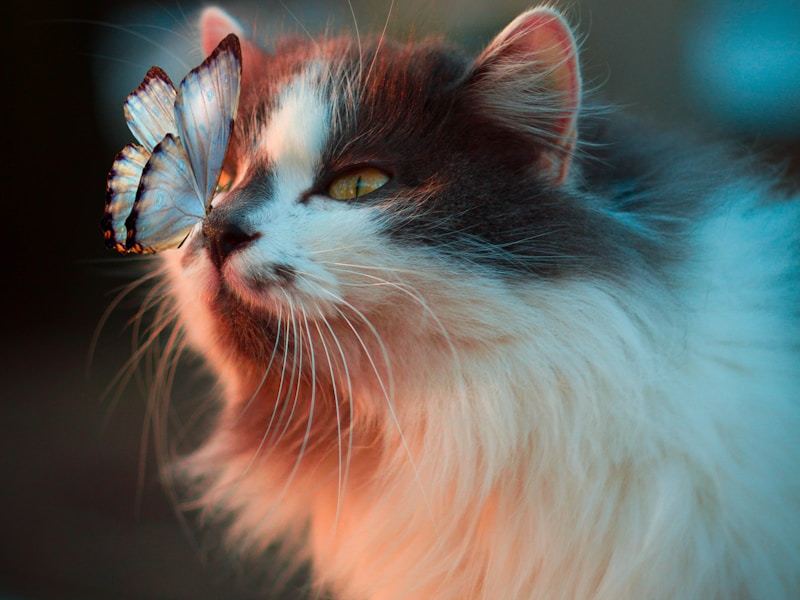
Indoor cats live longer, safer lives than their outdoor counterparts. They are protected from cars, predators, parasites, and diseases. But without intentional enrichment, an indoor cat’s environment can become monotonous — and a bored cat is an unhappy cat. Boredom in cats leads to overeating, excessive grooming, destructive scratching, aggression, and that 3 AM burst of energy that wakes the entire household.
The solution is not complicated, but it does require some thought and consistency. This guide covers everything you need to create a stimulating, satisfying indoor environment that honors your cat’s natural instincts.
Why Enrichment Matters
In the wild, cats spend the majority of their waking hours hunting. A single hunting sequence — stalk, chase, pounce, catch, eat — is repeated multiple times per day. Indoor cats have their meals handed to them in a bowl, eliminating the activity that occupies most of their natural behavior.
Enrichment fills this gap. It provides outlets for your cat’s hardwired instincts — hunting, climbing, hiding, watching, and exploring — in safe, indoor-appropriate ways. A well-enriched cat is calmer, healthier, more confident, and significantly less likely to develop behavior problems.
The Five Pillars of Indoor Enrichment
Think of enrichment in five categories. A well-rounded approach includes all five.
1. Play (Simulated Hunting)
Play is the closest thing an indoor cat has to hunting. It is not optional — it is essential for physical fitness and mental health.
Wand toys are the single best play tool. They mimic the movement of prey (birds, insects, small rodents) and let you control the action. Move the toy away from your cat (prey runs away from predators, not toward them), use erratic movements, pause to let your cat stalk, and let them catch it regularly. Always end a session by letting your cat “catch” the toy and offering a small treat — this completes the hunt-catch-eat cycle and provides satisfaction.
Solo toys like crinkle balls, spring toys, and small stuffed mice give your cat something to bat around when you are not available. These do not replace interactive play, but they supplement it.

2. Climbing and Vertical Space
Cats think in three dimensions. In the wild, height equals safety — a cat on a high perch can survey their territory and escape threats. Indoor cats retain this instinct completely.
Cat trees are the most straightforward solution. Choose one that is tall enough for your cat to perch above human head height, sturdy enough not to wobble, and has multiple levels. Place it near a window for maximum value.
Wall-mounted shelves and catwalks create a highway system along your walls that uses zero floor space. You can install a series of staggered shelves that allow your cat to climb from floor to ceiling. This is particularly valuable in small apartments.
Tall bookshelves and furniture can serve double duty if you clear a shelf or two for your cat. Many cats will claim the high ground whether you designate it for them or not.
3. Hiding and Safe Spaces
Cats need places to retreat and feel invisible. This is not a sign of anxiety — it is a normal, healthy behavior. A cat without hiding options can become chronically stressed.
Provide a variety of hiding spots: cardboard boxes (the all-time favorite), cat tunnels, covered beds, or even a dedicated shelf in a closet with the door cracked open. Place hiding spots in different rooms so your cat always has a retreat nearby.
4. Watching and Observing
Cats are visual hunters who spend significant time watching their environment. A window is the single greatest piece of enrichment you can provide.
Window perches that attach via suction cups or brackets give your cat a front-row seat to the world outside — birds, squirrels, passing cars, falling leaves. Position a bird feeder outside a window to create “cat TV” that never gets old.
If you have the space, consider a catio (enclosed outdoor patio) that lets your cat experience fresh air, natural sounds, and outdoor smells safely. Catios range from simple window box extensions to elaborate walkway systems.
5. Foraging and Food Puzzles
Dumping kibble in a bowl is the least enriching way to feed a cat. Making your cat work for their food engages their brain, slows eating, and provides a satisfying challenge.
Puzzle feeders range from simple balls that dispense kibble as they roll to complex multi-step puzzles. Start easy and gradually increase difficulty as your cat figures out each level. Frustration is counterproductive — the goal is challenge, not impossible difficulty.
Scatter feeding — tossing kibble across the floor or hiding it around the room — turns mealtime into a scavenger hunt with zero equipment required.
Food hiding — placing small portions of food in different locations around the house — mimics the experience of hunting in multiple locations.
Building a Daily Play Routine
Consistency matters more than duration. Aim for two to three play sessions per day, each lasting 10 to 15 minutes. This totals 20 to 45 minutes of active play, which is sufficient for most cats.
Morning Session (5-10 Minutes)
A short play session before you leave for the day helps burn energy and reduce separation-related restlessness. Follow it with breakfast for maximum satisfaction — hunt, catch, eat, groom, sleep.
Evening Session (10-15 Minutes)
This is your primary play session. Cats are crepuscular (most active at dawn and dusk), so evening play aligns with their natural energy peaks. A vigorous session before dinner helps prevent the nighttime zoomies.
Bedtime Session (5-10 Minutes)
A calmer session before bed, followed by a small snack, can help your cat settle down for the night. Wind the play down gradually rather than stopping abruptly.
DIY Enrichment Ideas
You do not need to spend a fortune on enrichment. Some of the best options are free or nearly free.
- Cardboard boxes — cut holes in them, tape multiple boxes together to create a tunnel system, or simply leave an open box on the floor. Cats will investigate.
- Paper bags (remove handles to prevent strangulation) — the crinkling sound is irresistible.
- Crumpled paper balls — cheap, replaceable, and surprisingly entertaining.
- Ice cubes with treats frozen inside — a summer favorite that combines puzzle solving with hydration.
- Toilet paper rolls with treats inside (fold the ends shut) — simple foraging puzzle.
- A ping pong ball in a bathtub — the acoustics and the ball’s unpredictable movement create a compelling chase.
- Rotate household items — move furniture, add new boxes, change things up. Novelty itself is enriching.
Best Toy Types
Not all toys are equally engaging. Here are the categories that provide the most value:
- Wand/fishing rod toys — interactive, mimics prey, highest engagement
- Kick toys (large stuffed toys cats can grab and bunny-kick) — satisfies the “catch and kill” part of the hunting sequence
- Crinkle balls and spring toys — lightweight, unpredictable movement
- Catnip and silvervine toys — triggers a euphoric response in about 60-70% of cats (the response is genetic)
- Laser pointers — high engagement but always follow up with a physical toy the cat can “catch,” otherwise the inability to complete the hunting cycle causes frustration

Rotating Activities to Prevent Boredom
Cats habituate to their environment — what was exciting last week becomes invisible this week. The key to long-term enrichment is rotation.
- Rotate toys every 3 to 5 days. Put some away and bring out “new” ones. A toy that disappeared for a week feels novel again.
- Rearrange furniture occasionally. Even small changes give your cat something new to investigate.
- Introduce new scents — a pinch of dried catnip on a shelf, a silvervine stick, or a safe plant like cat grass.
- Change feeding locations periodically to encourage exploration.
- Vary play styles — alternate between bird-like toys (aerial), mouse-like toys (ground), and insect-like toys (erratic small movements).
Signs of Boredom in Cats
Watch for these signals that your cat needs more stimulation:
- Overeating or begging for food — eating is one of the few interesting things available
- Excessive grooming — can lead to bald patches and skin irritation
- Destructive scratching — targeting furniture despite having scratching posts
- Aggression toward people or other pets — redirected frustration
- Nighttime hyperactivity — pent-up energy released at the worst possible time
- Lethargy and withdrawal — the opposite of hyperactivity; some cats shut down instead
- Attention-seeking behavior — knocking things off tables, meowing excessively
If you recognize these patterns, increasing play time, adding vertical space, and introducing puzzle feeders will often resolve them within a few weeks.
For a deeper understanding of your cat’s behavioral needs, see our cat behavior basics guide.