
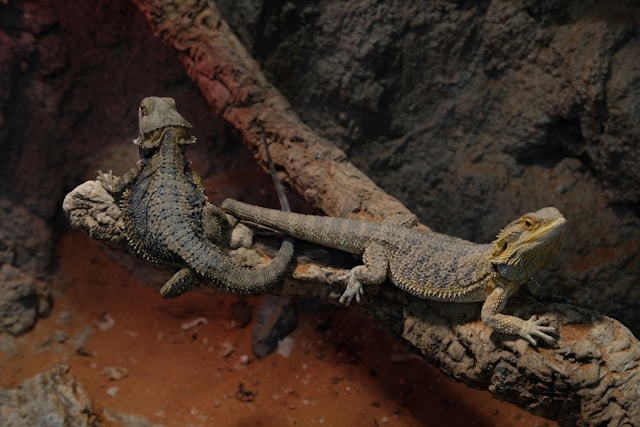
Taming a reptile requires patience, understanding, and respect for their natural behaviors. Unlike domesticated mammals, reptiles are essentially wild animals that can learn to tolerate and even seem comfortable with handling. This guide covers techniques for building trust with your pet reptile while respecting their needs and limitations.
Understanding Reptile Psychology
Prey Animal Mindset
Most pet reptiles are prey animals:
- Being picked up mimics predator attack
- They respond defensively when threatened
- Flight, freeze, or fight are natural responses
- Trust must be earned, not assumed
- Each interaction affects their perception of you
Individual Temperaments
Each reptile has a unique personality:
- Some individuals are naturally bolder or more curious
- Others are shy and require more time to adjust
- Age affects temperament—adults are often calmer than juveniles
- Past experiences shape their reactions
- Species tendencies provide general guidance but individuals vary
Sensory World
Understanding how reptiles perceive:
- Vision: Most see well but focus on movement
- Smell: Chemical sensing through Jacobson organ
- Touch: Generally tolerate but do not seek contact
- Hearing: Limited but sensitive to vibrations
- Temperature: Critical sense and environmental need
Pre-Taming Preparation
Health First
Ensure your reptile is healthy before handling:
- Clear eyes, nose, and mouth (no discharge)
- Healthy skin and appropriate body weight
- Normal activity and alertness
- Regular eating and appropriate waste
- Consult a veterinarian if anything seems unusual
Environmental Setup
Create optimal conditions for taming:
- Proper temperature gradient established
- Appropriate humidity levels maintained
- Adequate hiding places for security
- Established routine for feeding and maintenance
- Quiet environment away from household commotion
Know Your Species
Research specific needs:
- Snakes: Often tolerate handling well when supported properly
- Bearded dragons: Among the most handleable reptiles
- Leopard geckos: Generally calm and tolerate interaction
- Blue-tongue skinks: Often quite docile and curious
- Crested geckos: More delicate, minimal handling recommended
Building Trust Foundations
The Observation Period
Start by simply being present:
- Sit near the enclosure regularly
- Move slowly and calmly
- Speak softly to get them used to your voice
- Let them observe you without direct interaction
- Wait 1-2 weeks for new reptiles before handling
Food Association
Create positive associations with feeding:
- Offer food by hand when appropriate
- Associate your presence with meals
- Use feeding tongs initially to prevent accidental bites
- Be patient and allow them to approach voluntarily
- Never force interaction during feeding time
Visual Contact
Help them recognize you:
- Approach from the front where they can see you
- Move at eye level rather than from above
- Avoid looming over them which mimics predators
- Make your presence predictable and routine
- Allow them to become desensitized to your movements
Handling Basics
Initial Contact
First touches and lifts:
- Start with very short sessions (2-3 minutes)
- Handle at the same time each day to establish routine
- Support their entire body weight fully
- Move slowly and smoothly
- End sessions while they are still calm
Proper Lifting Technique
General approach for most reptiles:
- Approach from the side or front
- Slide hand(s) under their body, lifting from below
- Support as much of their body as possible
- Lift smoothly but confidently
- Keep them close to the ground or over a soft surface
Supporting Different Body Types
Species-specific considerations:
- Snakes: Support along their length, allow to grip
- Lizards: Support body and legs, allow to rest on hand
- Turtles/tortoises: Support shell and body, avoid lifting by limbs
- Arboreal species: Allow them to grip branches or fingers
- Heavy species: Use two hands, support fully
Reading Reptile Body Language
Signs of Comfort
Your reptile is relaxed when:
- Colors are normal (not dark/stressed or bright/displaying)
- Movement is slow and exploratory
- They willingly move onto your hand
- Breathing is regular and not labored
- They show interest in their environment
Signs of Stress
Give them space if they show:
- Freezing completely
- Rapid escape attempts
- Hissing, puffing up, or tail rattling
- Biting or striking postures
- Voiding waste or musking
Defensive Behaviors
Understanding natural responses:
- Hissing: Warning to back away
- Puffing up: Attempting to appear larger and threatening
- Tail vibration: Warning signal (many species)
- Mouth gaping: Threat display or heat regulation
- Playing dead: Some species feign death as a last resort
Progression of Taming
Week 1-2: Acclimation
Initial period without handling:
- Let them adjust to new enclosure
- Sit nearby and speak softly
- Perform routine maintenance predictably
- Offer food by hand when possible
- Learn their individual behaviors and preferences
Week 3-4: First Contact
Beginning gentle interaction:
- Brief touching while they are eating
- Very short lifts (just off the ground)
- Support them fully and move slowly
- Gradually increase handling duration
- Always end on a positive note
Month 2+: Building Confidence
Regular handling routine:
- Handle for 5-10 minutes daily
- Explore different handling positions
- Allow exploration outside the enclosure
- Interact at different times of day
- Continue respecting their comfort limits
Species-Specific Considerations
Snakes
Special considerations for serpents:
- Support their entire length
- Let them grip your arms or hands
- Move smoothly—snakes respond to motion
- Avoid handling during shedding (blue phase)
- Wait 48 hours after feeding
Lizards
Working with scaled reptiles:
- Support both body and legs
- Allow them to rest on your hand
- Many tolerate handling better when warm
- Respect tail autonomy—never pull by the tail
- Tail autotomy (dropping) in some species is permanent
Chelonians
Turtles and tortoises need special care:
- Support shell and body weight
- Never lift by limbs or tail
- Aquatic turtles may scratch with claws
- Tortoises often prefer exploring on the ground
- Many species carry salmonella—always wash hands
Common Challenges
The Fearful Reptile
For shy or defensive individuals:
- Move more slowly with each interaction
- Keep handling sessions very short initially
- Use food as motivation consistently
- Handle at their most active times
- Be extremely patient—some take months to tame
The Biter
Understanding and addressing biting:
- Most biting is fear-based, not aggression
- Do not react dramatically if bitten
- Support the reptile and wait for release
- Analyze what triggered the bite
- Consider using gloves initially if needed
The Escape Artist
For reptiles who constantly try to flee:
- Handle in a secure, enclosed space
- Move slowly to prevent triggering flight response
- Allow them to explore under supervision
- Provide appropriate enrichment
- Ensure enclosure security is excellent
Special Situations
Handling During Shed
Extra care during ecdysis:
- Avoid handling during the blue phase (eyes opaque)
- Their vision is impaired and they are more defensive
- Wait until shedding is complete
- If handling is necessary, be extra gentle
- Provide humidity to assist with shedding
After Feeding
Post-feeding considerations:
- Snakes: Wait 48 hours to prevent regurgitation
- Lizards: Wait 24-48 hours
- Smaller species may need less time
- Digestion requires energy and inactivity
- Individual needs vary—observe your reptile
Health Considerations
Adjusting for wellness:
- Do not handle sick or injured reptiles
- Stress complicates recovery
- Quarantine new reptiles before handling
- Some medications require reduced handling
- Always prioritize their health over taming progress
Handling Safety
Wash Your Hands
Essential hygiene practices:
- Wash before and after handling
- Use warm water and soap
- Prevents salmonella transmission
- Also wash any surfaces the reptile touched
- Teach children proper hygiene immediately
Bite Prevention
Reduce risk of being bitten:
- Read body language and respect warnings
- Do not handle when reptile is in shed or hungry
- Support fully to prevent falling (panic response)
- Use tools for aggressive individuals
- Know your species typical bite response
Escape Prevention
Prevent escapes during handling:
- Always handle in a secure room
- Close doors and block escape routes
- Never leave reptiles unattended outside enclosure
- Have a secure container ready if needed
- Know that reptiles can escape through surprisingly small openings
Realistic Expectations
Understanding Reptile Limitations
Appropriate expectations for reptile pets:
- Reptiles do not bond like mammals
- Handling is tolerated, not enjoyed
- They will not seek out interaction
- Minimal handling is often best
- Each individual has their own tolerance level
When Not to Handle
Respect these situations:
- During the blue phase of shedding
- Immediately after feeding (species-dependent time frames)
- If the reptile appears ill
- During gravid (pregnant) periods
- When they show clear stress signals
Success Indicators
Recognizing progress in taming:
- Reduced defensive behaviors over time
- Willingness to move onto your hand
- Exploration when handled rather than escape attempts
- Eating regularly despite handling
- More relaxed body language during interaction
Remember that reptile taming should always be a gradual process based on trust and mutual respect. These are wild animals with instinctual fear responses. Your goal should be to create a relationship based on trust and minimal stress, not to force interaction beyond their comfort level. With patience, consistency, and respect for their nature, most reptiles can learn to tolerate handling and even seem to recognize their caretakers.