
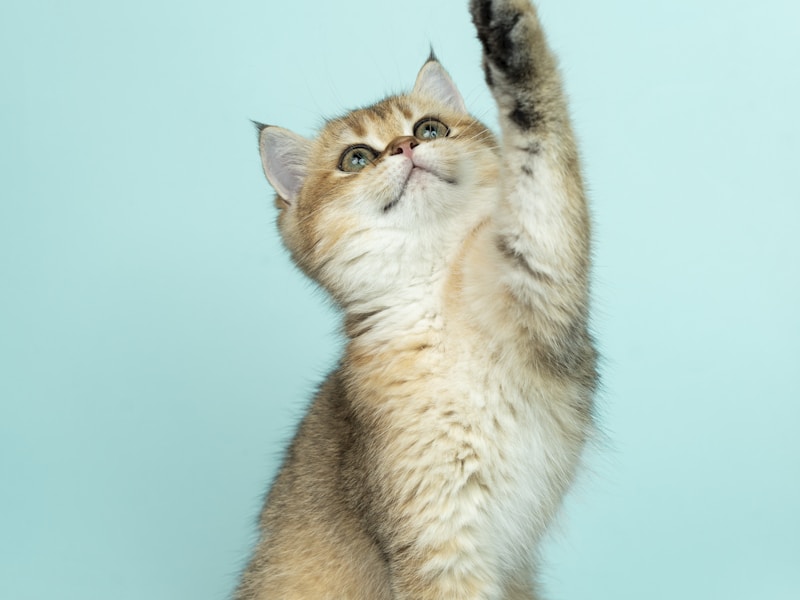
If you’re drawn to cats with exotic, wild-looking coats and athletic builds, you’ve probably encountered two popular breeds that capture the essence of their wild ancestors: the Bengal and the Savannah. Both offer stunning spotted patterns and dynamic personalities, but they have distinct characteristics that can make one better suited to your lifestyle than the other.
Breed Origins
The Bengal originated from crossing domestic cats with the Asian leopard cat (Prionailurus bengalensis). Developed in the 1960s, Bengals typically have at least four generations of breeding between them and their wild ancestors. This careful breeding has resulted in a domestic cat with a wild appearance but a generally manageable temperament.
The Savannah is a newer breed, first established in the 1980s by crossing domestic cats with servals (African wildcats). Savannah cats are classified by filial generations — F1, F2, F3, and beyond — with earlier generations having more wild genetics. Most pet Savannahs are F3 or later, as earlier generations require more specialized care and may face legal restrictions.
Appearance
Bengals are medium to large cats (8-15 pounds) with muscular, compact builds. Their coats display either spotted or marbled patterns in colors like brown, silver, snow, and charcoal. They typically have horizontal flowing patterns and a sleek, pelt-like coat with minimal undercoat.
Savannahs are notably taller and more athletic, weighing 12-25 pounds depending on generation. Their most distinctive feature is their long legs, giving them a tall, elegant appearance. Savannah coats feature bold black spots on a golden, silver, or snow background. Their heads are small relative to their bodies with large, rounded ears.
Temperament
Bengals are intelligent, curious, and highly energetic. They’re known for being vocal, often “talking” to their humans with distinctive chirps and meows. Bengals can be mischievous and will find entertainment if you don’t provide it — often in ways you might not appreciate, like opening cabinets or knocking things off shelves.
Savannahs are often described as dog-like in their loyalty and trainability. They tend to be more active than Bengals and can be leash-trained with patience. They’re fiercely loyal to their families but may be reserved with strangers. Their high intelligence means they need constant mental stimulation.
Both breeds require significant attention and interaction — they’re not cats that will happily sleep all day.
Exercise Needs
Bengals need at least an hour of active play daily. They excel at agility training and enjoy interactive toys like feather wands, laser pointers, and puzzle feeders. Vertical space is essential — tall cat trees and shelves will help satisfy their climbing instincts.
Savannahs are even more active and benefit from at least 90 minutes of vigorous exercise daily. Their athleticism means they can jump remarkable heights (some up to 8 feet vertically). Many Savannah owners find success with outdoor adventures on a harness or enclosed “catios.”
Without adequate exercise and mental stimulation, both breeds can become destructive or develop anxiety-related behaviors.
Grooming
Good news for busy owners — both breeds are relatively low-maintenance in grooming. Bengals have short, sleek coats that require brushing once or twice weekly. Savannahs also have short coats that shed minimally with weekly brushing. Neither breed requires professional grooming.
Health Considerations
Bengals may be prone to progressive retinal atrophy (PRA) and hypertrophic cardiomyopathy (HCM). They can also develop a condition called Bengal Progressive Retinal Atrophy specific to the breed.
Savannahs may face similar heart concerns and can be sensitive to certain medications, particularly anesthetics and vaccines, due to their serval ancestry. Choosing a veterinarian experienced with hybrid breeds is especially important.
Expect to pay a premium — Bengals typically cost $1,500-$3,000, while Savannahs range from $1,500 to over $20,000 depending on generation.
Family Compatibility
Bengals can be excellent companions for families with children when properly socialized. They’re playful and tolerant but may be too energetic for very young children. They generally get along well with other cats and cat-friendly dogs.
Savannahs require careful socialization from kittenhood. Their size and energy can be overwhelming for small children, and they may bond strongly to one family member. With other pets, early introduction is key.
Head-to-Head Comparison
| Feature | Bengal | Savannah |
|---|---|---|
| Size | 8-15 lbs | 12-25 lbs |
| Wild Ancestor | Asian leopard cat | Serval |
| Activity Level | High | Very High |
| Trainability | Good | Excellent |
| Affection Level | High | Very High (to family) |
| Grooming Needs | Low | Low |
| Price Range | $1,500-$3,000 | $1,500-$20,000+ |
| Best For | Active families | Dedicated owners with training time |
The Verdict
Choose a Bengal if you want a high-energy cat with exotic markings but a slightly more manageable temperament. Bengals are well-suited for experienced cat owners who can provide daily interactive play and mental challenges.
Choose a Savannah if you want the most wild-looking appearance possible and have time for extensive exercise and training. Be prepared for potential legal restrictions depending on where you live and your Savannah’s generation.
Both breeds offer intelligence, beauty, and personalities that will keep you entertained for years.
Learn More
- Bengal Cat Guide — comprehensive breed profile
- Savannah Cat Guide — complete care information
- Breed Comparison Tool — interactive side-by-side comparison
- Cat Breed Selector Quiz — find your perfect cat match