
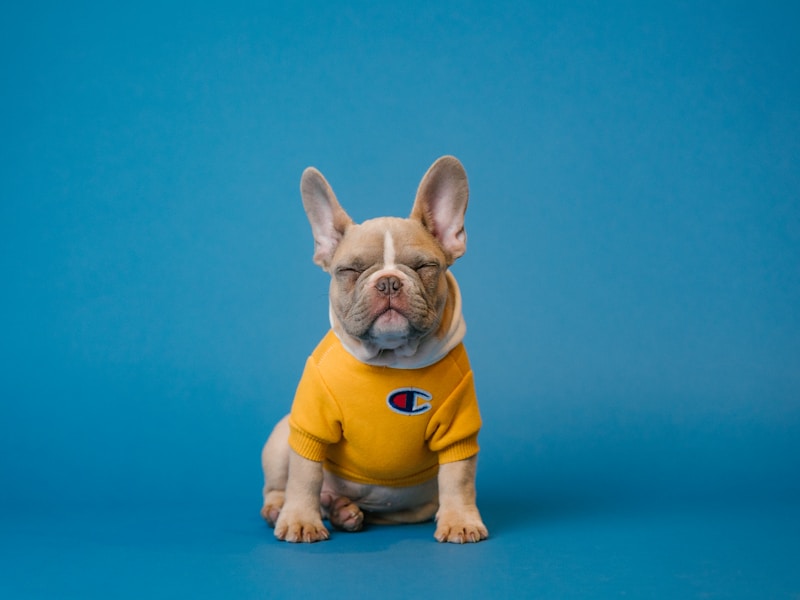
Living in an apartment does not mean you have to give up on the dream of having a dog. Plenty of breeds are perfectly content in smaller spaces, as long as their needs for exercise, enrichment, and companionship are met. The best dogs for apartments tend to be moderate in size and energy, reasonably quiet, and adaptable to close-quarters living. Here are 12 breeds that make outstanding apartment companions.
What Makes a Dog Apartment-Friendly?
Before diving into specific breeds, it helps to understand what separates a great apartment dog from a poor one. Size matters, but it is not everything — a calm Great Dane can be a better apartment resident than a hyperactive Jack Russell Terrier. Here are the traits that count most:
- Noise level — Frequent or loud barking will strain your relationship with neighbors fast. Breeds with lower barking tendencies are a must.
- Energy level — Dogs that need hours of vigorous exercise will struggle in a small space. Look for breeds that are satisfied with moderate daily walks.
- Size and space awareness — Compact dogs naturally fit better, though some larger breeds are surprisingly laid-back indoors.
- Neighbor-friendliness — Dogs that are calm and non-reactive in hallways, elevators, and shared spaces make apartment life smoother for everyone.
- Independence — If you work outside the home, a dog that can tolerate a few hours alone without destructive anxiety is a practical advantage.
1. French Bulldog
The French Bulldog is arguably the quintessential apartment dog. Frenchies are compact, quiet (they rarely bark without reason), and genuinely content to lounge around the house. A couple of short walks and some indoor playtime is usually enough to keep them satisfied.
Their flat faces do make them heat-sensitive, so air conditioning is important during summer months. But if you want a dog that is as happy on your sofa as you are, the Frenchie is hard to beat.
- Size: Under 28 lb
- Barking Level: Low
- Energy Level: Low to moderate
- Shedding: Moderate
- Good Alone? Yes, for moderate periods

2. Cavalier King Charles Spaniel
The Cavalier King Charles Spaniel adapts to virtually any living situation, but their gentle, quiet nature makes them especially well-suited to apartments. They are affectionate without being demanding and get along well with neighbors, other dogs, and even cats.
A daily 30-minute walk plus some indoor play keeps a Cavalier happy. They do prefer company and can develop separation anxiety if left alone for long stretches, so they are best for people who work from home or can take their dog along.
- Size: 12—18 lb
- Barking Level: Low
- Energy Level: Moderate
- Shedding: Moderate
- Good Alone? Not for long periods
3. Shih Tzu
The Shih Tzu was literally bred to live in palaces, so a cozy apartment is right in their wheelhouse. These little dogs are friendly, outgoing, and perfectly content with short walks and indoor play. They are not big barkers, and their small size means they do not need much room to roam.
Grooming is the main consideration. A long coat requires daily brushing, but a short “puppy cut” makes maintenance much easier. If you want a charming, low-energy companion that thrives in close quarters, the Shih Tzu delivers.
- Size: 9—16 lb
- Barking Level: Low to moderate
- Energy Level: Low
- Shedding: Low
- Good Alone? Yes, for moderate periods
4. Poodle (Miniature or Toy)
The Poodle in Miniature or Toy size is one of the smartest dogs you can bring into an apartment. Their intelligence means they learn house rules quickly and respond well to training. Poodles are also low-shedding, which is a bonus in small spaces where dog hair accumulates fast.
They do need mental stimulation — puzzle toys, training games, and regular walks keep a Poodle sharp and well-behaved. Professional grooming every four to six weeks is necessary, but many apartment owners find the low-shedding trade-off well worth it.
- Size: Toy 4—6 lb, Miniature 10—15 lb
- Barking Level: Moderate (trainable)
- Energy Level: Moderate
- Shedding: Very low
- Good Alone? Yes, with enrichment
5. Yorkshire Terrier
The Yorkshire Terrier packs a big personality into a tiny frame. Yorkies are confident, loyal, and portable — perfect for city dwellers who want a dog they can carry on the subway or tuck into a bag for brunch.
Their silky coat is low-shedding but needs regular grooming. Yorkies can be vocal, so early training to manage barking is important in an apartment setting. Once they learn the rules, they settle in beautifully.
- Size: Under 7 lb
- Barking Level: Moderate to high (trainable)
- Energy Level: Moderate
- Shedding: Very low
- Good Alone? Yes, for short periods
6. Bulldog
The Bulldog might look like a bruiser, but this breed is one of the most docile and low-energy dogs around. Bulldogs are natural couch potatoes that require surprisingly little exercise — a couple of short, leisurely walks per day is plenty.
They rarely bark, are unfazed by noise and commotion, and are happy to spend most of the day napping. Like French Bulldogs, they are brachycephalic and need climate control, but their calm temperament makes them one of the most apartment-friendly medium-sized dogs.
- Size: 40—50 lb
- Barking Level: Low
- Energy Level: Low
- Shedding: Moderate
- Good Alone? Yes

7. Bichon Frise
The Bichon Frise is a cheerful, fluffy companion that does remarkably well in apartments. Bichons are playful but not hyperactive, and their low-shedding coat keeps your space cleaner. They are sociable dogs that enjoy meeting neighbors in the hallway and playing at the dog park.
Regular grooming appointments are a must to keep their signature puffball coat looking sharp. Bichons can be prone to separation anxiety, so crate training and gradual alone-time conditioning are good practices from the start.
- Size: 12—18 lb
- Barking Level: Low to moderate
- Energy Level: Moderate
- Shedding: Very low
- Good Alone? With training
8. Havanese
The Havanese is a small, sturdy dog with an outsized love for people. They adapt well to apartment living thanks to their moderate exercise needs and quiet disposition. Havanese are also intelligent and eager to learn, making them easy to train for apartment etiquette.
Their silky coat is low-shedding but benefits from regular brushing or a short trim. If you want a sociable, adaptable small dog that travels well and charms everyone they meet, the Havanese is an excellent choice.
- Size: 7—13 lb
- Barking Level: Low
- Energy Level: Moderate
- Shedding: Very low
- Good Alone? Not for long periods
9. Maltese
The Maltese is a classic apartment dog — tiny, elegant, and perfectly suited to indoor living. Weighing under seven pounds, they need very little space and are content with short walks and play sessions. Their white coat is low-shedding, though it requires regular care to stay tangle-free.
Maltese are gentle and affectionate, making them ideal for single owners or couples. They can be sensitive to rough handling, so families with very young children may want to consider other options.
- Size: Under 7 lb
- Barking Level: Moderate (trainable)
- Energy Level: Low
- Shedding: Very low
- Good Alone? Yes, for short periods
10. Boston Terrier
The Boston Terrier, often called the “American Gentleman,” is a compact, tuxedo-coated charmer. Boston Terriers are friendly, adaptable, and easy to care for. They have moderate energy levels that a daily walk and some playtime easily satisfy.
Their short coat needs minimal grooming, and they are generally quiet compared to other terrier breeds. Bostons are sensitive to extreme temperatures, so a climate-controlled apartment is ideal for them.
- Size: 12—25 lb
- Barking Level: Low
- Energy Level: Moderate
- Shedding: Low
- Good Alone? Yes
11. Greyhound
This one surprises people. The Greyhound, known for racing speed, is actually one of the calmest, most low-energy dogs you can adopt. Retired racing Greyhounds, in particular, are gentle, quiet, and spend most of their time sleeping — they are sometimes called “40-mph couch potatoes.”
Greyhounds are lean and tall rather than bulky, so they take up less floor space than you might think. A couple of moderate walks plus a chance to sprint in a fenced area once or twice a week keeps them content.
- Size: 60—70 lb
- Barking Level: Very low
- Energy Level: Low (with short bursts)
- Shedding: Low
- Good Alone? Yes
12. Basenji
The Basenji is known as the “barkless dog,” making it one of the most neighbor-friendly breeds in existence. Instead of barking, Basenjis produce a unique yodel-like sound called a “baroo,” and they use it sparingly. They are cat-like in their independence, cleanliness, and grooming habits.
Basenjis are small to medium-sized, active but not hyperactive, and exceptionally clean. They are best for experienced-ish owners who appreciate a dog with an independent streak, but their quiet nature earns them a well-deserved spot on this apartment list.
- Size: 22—24 lb
- Barking Level: Very low (yodels occasionally)
- Energy Level: Moderate to high
- Shedding: Low
- Good Alone? Yes, with enrichment

Apartment Living Tips for Dog Owners
Even the most apartment-friendly breed needs a thoughtful owner. Keep these tips in mind:
- Establish a routine. Consistent walk times help your dog settle into apartment life and reduce anxiety-related barking.
- Invest in enrichment. Puzzle feeders, chew toys, and training sessions keep your dog mentally stimulated when outdoor space is limited.
- Soundproof where you can. A thick rug, white noise machine, or calming music can reduce noise that triggers barking.
- Meet your neighbors early. Introduce your dog to neighbors so they can build positive associations with the people they hear through the walls.
- Create a designated potty plan. Know where the nearest dog-friendly green space is and plan for early morning and late-night bathroom breaks.
- Practice hallway manners. Train your dog to sit calmly when waiting for elevators and to walk politely past other apartment doors.
At a Glance: Apartment Dog Comparison
| Breed | Size | Barking | Energy | Shedding | Good Alone? |
|---|---|---|---|---|---|
| French Bulldog | Small | Low | Low-Moderate | Moderate | Yes |
| Cavalier King Charles | Small | Low | Moderate | Moderate | Not long |
| Shih Tzu | Small | Low-Moderate | Low | Low | Yes |
| Poodle (Mini/Toy) | Small | Moderate | Moderate | Very Low | Yes |
| Yorkshire Terrier | Small | Moderate-High | Moderate | Very Low | Short periods |
| Bulldog | Medium | Low | Low | Moderate | Yes |
| Bichon Frise | Small | Low-Moderate | Moderate | Very Low | With training |
| Havanese | Small | Low | Moderate | Very Low | Not long |
| Maltese | Small | Moderate | Low | Very Low | Short periods |
| Boston Terrier | Small | Low | Moderate | Low | Yes |
| Greyhound | Large | Very Low | Low | Low | Yes |
| Basenji | Small-Medium | Very Low | Moderate-High | Low | Yes |
Ready to Choose?
Finding the right apartment dog is about matching your lifestyle to a breed’s natural tendencies. Take our Breed Selector Quiz for personalized recommendations, or check out our Pet Cost Calculator to estimate what your first year together will look like financially. A little planning now sets you and your future dog up for a happy life together — even in 500 square feet.