
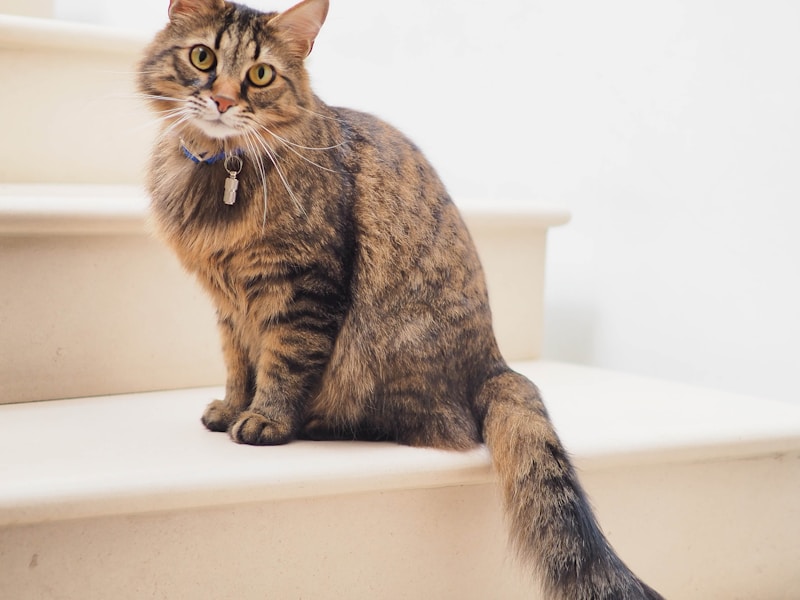
More cat owners than ever are choosing to keep their cats exclusively indoors, and for good reason. Indoor cats live significantly longer, healthier lives on average. But not every cat breed is content to stay within four walls. The best indoor cats are breeds that naturally gravitate toward comfort, calm, and human companionship over wandering and hunting. These 10 breeds are not just tolerant of indoor life — they genuinely thrive in it.
Why Keep Your Cat Indoors?
The case for indoor living is compelling:
- Longer lifespan — Indoor cats live an average of 12 to 18 years, while outdoor cats average just 2 to 5 years due to traffic, predators, disease, and other hazards.
- Fewer health risks — Indoor cats are far less likely to contract feline leukemia (FeLV), feline immunodeficiency virus (FIV), or parasites like fleas and ticks.
- No neighborhood conflicts — Indoor cats cannot hunt wildlife, dig in neighbors’ gardens, or get into territorial fights with other animals.
- Peace of mind — You always know where your cat is, and you do not have to worry about them being hit by a car or encountering toxins.
The key to happy indoor living is choosing a breed with the right temperament and providing adequate enrichment to keep them stimulated.
What Makes a Cat Great for Indoor Living?
Not every cat handles confinement equally well. The breeds that do best indoors tend to share these traits:
- Calm, low-to-moderate energy — Cats that are content with play sessions rather than needing to roam and hunt.
- Strong human bond — Breeds that orient toward people rather than territory feel secure indoors.
- Moderate vocalization — Excessively vocal cats may become more demanding when confined.
- Adaptable temperament — Cats that adjust well to routine and are not easily stressed by indoor-only life.
- Tolerance for alone time — If you work during the day, a cat that can entertain itself without anxiety is essential.
1. Ragdoll
The Ragdoll is perhaps the single best breed for indoor living. These large, fluffy cats are famously calm, gentle, and completely content to spend their entire lives indoors. They follow their owners from room to room, flop into laps at every opportunity, and show zero interest in escaping to the outdoors.
Ragdolls are social cats that do best with regular human interaction. They play gently, rarely scratch furniture with proper alternatives available, and are known for their relaxed, trusting nature. Their semi-long coat requires twice-weekly brushing but does not mat as easily as some other long-haired breeds.
- Size: Large (10—20 lb)
- Energy Level: Low to moderate
- Grooming Needs: Moderate
- Vocalization: Low
- Content Alone? For moderate periods

2. Persian
The Persian is the ultimate indoor cat. With their flat face, long coat, and serene disposition, Persians are built for the comfort of home. They are calm, quiet, and prefer predictable routines over excitement. A sunny windowsill and a warm lap are a Persian’s idea of paradise.
The grooming commitment is significant — daily brushing is necessary to prevent painful mats, and their facial folds need regular cleaning. But if you enjoy the ritual of grooming as bonding time, a Persian is a deeply rewarding companion who will never beg to go outside.
- Size: Medium (7—12 lb)
- Energy Level: Low
- Grooming Needs: High (daily)
- Vocalization: Very low
- Content Alone? Yes
3. British Shorthair
The British Shorthair is dignified, independent, and perfectly content with indoor life. These round, plush cats are not demanding — they enjoy being near you without insisting on constant attention. They are calm, quiet, and adapt beautifully to apartment living.
British Shorthairs have a dense coat that benefits from weekly brushing but otherwise requires minimal maintenance. They are healthy, sturdy cats with long lifespans. If you want a low-drama indoor companion that is affectionate on its own terms, the British Shorthair is an outstanding choice.
- Size: Medium to large (9—18 lb)
- Energy Level: Low to moderate
- Grooming Needs: Low
- Vocalization: Low
- Content Alone? Yes
4. Scottish Fold
The Scottish Fold with its distinctive folded ears is a gentle, adaptable breed that does well indoors. Scottish Folds are calm and affectionate without being demanding, and they are known for their amusing sitting positions and quiet, sweet nature.
They enjoy interactive play but are not hyperactive, making them well-suited to apartments and smaller homes. Their coat — short or long, depending on the variety — needs only moderate grooming. Scottish Folds are social cats that appreciate companionship, so a second pet or a work-from-home owner is ideal.
- Size: Medium (6—13 lb)
- Energy Level: Moderate
- Grooming Needs: Low to moderate
- Vocalization: Low
- Content Alone? For moderate periods
5. Himalayan
The Himalayan combines the best traits of the Persian and Siamese into a stunning, blue-eyed indoor companion. Himalayans are calm, gentle, and devoted to their families. They have the Persian’s relaxed temperament with a touch more playfulness inherited from their Siamese ancestry.
Like Persians, Himalayans have long coats that require daily grooming. Their striking colorpoint pattern and vivid eyes make them one of the most beautiful indoor cats you can own. They thrive in quiet, stable households and are happiest when they can follow a predictable daily routine.
- Size: Medium to large (7—14 lb)
- Energy Level: Low to moderate
- Grooming Needs: High (daily)
- Vocalization: Low
- Content Alone? Yes, for moderate periods
6. Russian Blue
The Russian Blue is a quiet, elegant breed that thrives in the calm environment of an indoor home. These silver-blue cats are loyal and affectionate with their family but reserved around strangers, making them naturally inclined to stay close to home.
Russian Blues are independent enough to handle time alone during work hours, yet affectionate enough to greet you warmly when you return. Their dense double coat is low-shedding and easy to maintain. They are also one of the healthiest purebred cat breeds, with few genetic concerns.
- Size: Medium (7—12 lb)
- Energy Level: Moderate
- Grooming Needs: Low
- Vocalization: Low
- Content Alone? Yes

7. Birman
The Birman is a gentle, social breed that adapts beautifully to indoor life. With their striking blue eyes, colorpoint coat, and white “gloved” paws, Birmans are as lovely to look at as they are to live with.
Birmans are affectionate and people-oriented without being needy. They enjoy interactive play and are intelligent enough to learn games and routines. Their medium-length coat lacks an undercoat, which means less matting and easier grooming than many long-haired breeds. They do best with a companion — human or feline.
- Size: Medium to large (7—14 lb)
- Energy Level: Moderate
- Grooming Needs: Moderate
- Vocalization: Low to moderate
- Content Alone? Prefers company
8. Exotic Shorthair
The Exotic Shorthair is the ideal breed for people who love the Persian personality but do not want the daily grooming commitment. Exotics have the same flat face, round body, and calm disposition as Persians, but their short, plush coat only needs brushing twice a week.
They are quintessential indoor cats — calm, quiet, and content to spend their days lounging in comfortable spots around the house. Exotics are affectionate lap cats that bond closely with their owners and show little interest in the outdoors.
- Size: Medium (7—14 lb)
- Energy Level: Low
- Grooming Needs: Low to moderate
- Vocalization: Low
- Content Alone? Yes
9. Burmese
The Burmese is an exceptionally social, people-loving breed that thrives in the attentive environment of an indoor home. Burmese cats are playful, intelligent, and deeply attached to their families. They are often described as “dog-like” in their desire to be involved in everything you do.
Their short, satin-like coat requires almost no grooming. Burmese are active and playful but not destructively so — they channel their energy into games and interaction rather than climbing the walls. They can become lonely if left alone for long periods, so a second pet or a work-from-home schedule is beneficial.
- Size: Medium (6—14 lb)
- Energy Level: Moderate to high
- Grooming Needs: Very low
- Vocalization: Moderate
- Content Alone? Not for long periods
10. Sphynx
The Sphynx is the only breed on this list that practically requires indoor living. Without fur, Sphynx cats are vulnerable to sunburn, cold temperatures, and skin damage from outdoor elements. Keeping them indoors is not just preferred — it is essential for their health.
Sphynx cats are warm, affectionate, and endlessly entertaining. They love attention, seek out warm laps and sunny spots, and have a clown-like personality that keeps their families laughing. Despite having no coat to brush, they do require regular bathing to remove oil buildup on their skin. If you want a truly unique, engaging indoor companion, the Sphynx delivers.
- Size: Medium (6—12 lb)
- Energy Level: High
- Grooming Needs: Moderate (bathing required)
- Vocalization: Moderate
- Content Alone? Not for long periods
Enriching Your Indoor Cat’s Life
A happy indoor cat needs more than just food and a litter box. Enrichment is the key to preventing boredom, obesity, and behavioral issues:
- Vertical space — Cat trees, shelves, and window perches let your cat climb, survey their territory, and exercise naturally.
- Interactive play — Dedicate 15 to 20 minutes twice daily to wand toys, laser pointers, or fetch. This mimics hunting behavior and keeps your cat physically fit.
- Window entertainment — Place a perch near a window with a view of birds, squirrels, or street activity. A bird feeder outside the window adds extra stimulation.
- Puzzle feeders — These slow down eating and engage your cat’s problem-solving instincts. Start simple and increase difficulty over time.
- Scratching surfaces — Provide multiple scratching posts and pads in different materials (sisal, cardboard, carpet) to satisfy natural scratching urges.
- Rotation of toys — Put some toys away and swap them out every week. “New” toys keep your cat’s interest fresh.
- Companion animals — Many indoor cats do better with a feline companion. If you are away during the day, a second cat can prevent loneliness.
- Catnip and cat grass — Grow cat grass indoors for safe nibbling, and offer catnip toys for occasional excitement.

At a Glance: Indoor Cat Comparison
| Breed | Size | Energy | Grooming | Vocalization | Content Alone? |
|---|---|---|---|---|---|
| Ragdoll | Large | Low-Moderate | Moderate | Low | Moderate periods |
| Persian | Medium | Low | High | Very Low | Yes |
| British Shorthair | Medium-Large | Low-Moderate | Low | Low | Yes |
| Scottish Fold | Medium | Moderate | Low-Moderate | Low | Moderate periods |
| Himalayan | Medium-Large | Low-Moderate | High | Low | Moderate periods |
| Russian Blue | Medium | Moderate | Low | Low | Yes |
| Birman | Medium-Large | Moderate | Moderate | Low-Moderate | Prefers company |
| Exotic Shorthair | Medium | Low | Low-Moderate | Low | Yes |
| Burmese | Medium | Moderate-High | Very Low | Moderate | Prefers company |
| Sphynx | Medium | High | Moderate | Moderate | Prefers company |
Find Your Perfect Indoor Companion
The best indoor cat for you depends on how much time you spend at home, how much grooming you are willing to do, and whether you want a calm lap cat or a playful entertainer. Take our Breed Selector Quiz to match your lifestyle with the right breed. With the right cat and proper enrichment, indoor living can be just as fulfilling for your feline friend as the great outdoors — and a whole lot safer.